






Saham News
IHSG Still in the Red, But These Stocks Are Worth Watching-Opportunities Amid Pressure
/index.php
Crypto News - Posted on 23 October 2025 Reading time 5 minutes
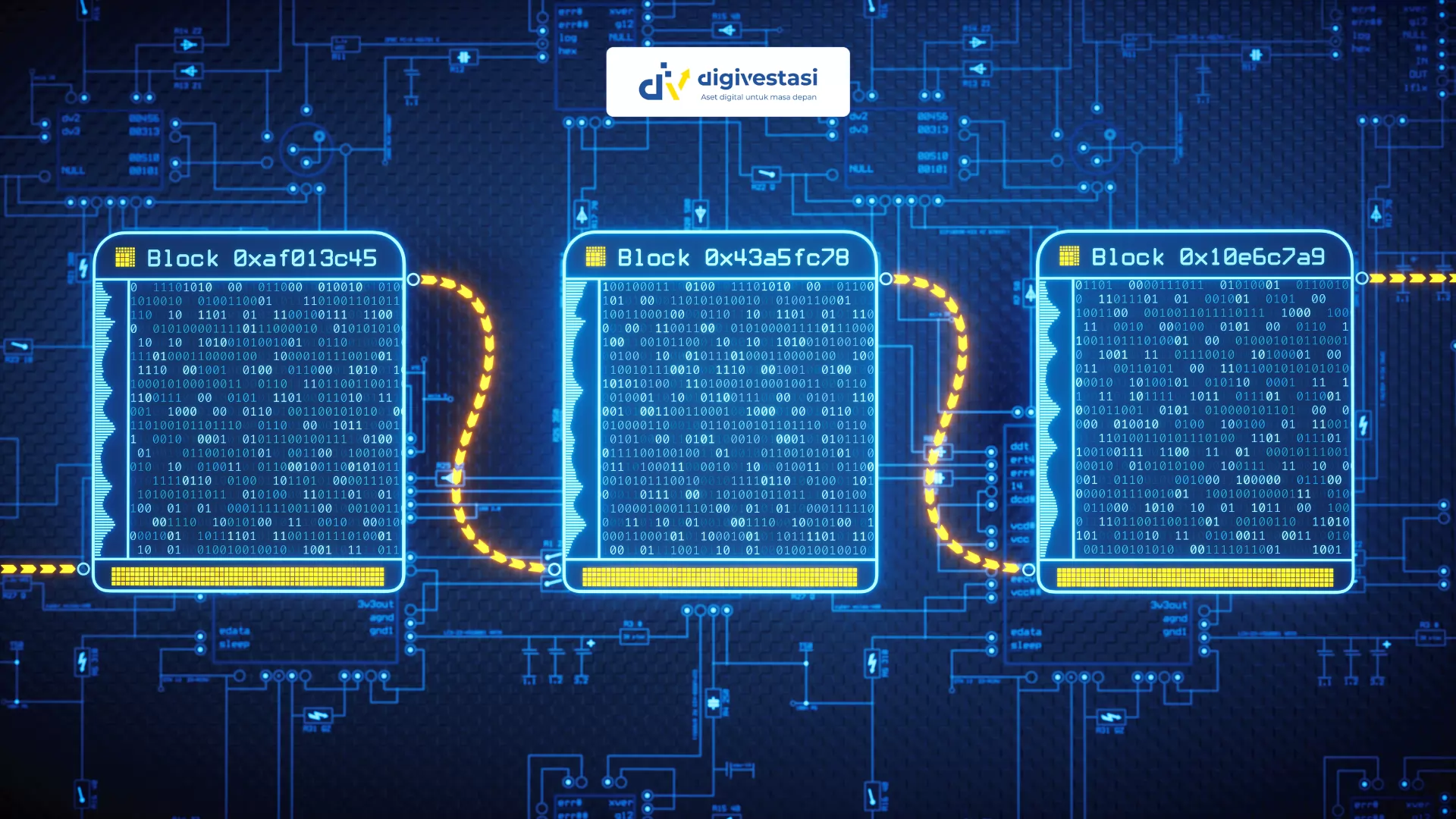
Blockchain Technology Challenges Conventional Banking Models
Blockchain technology is increasingly asserting itself as a disruptive force in the global financial sector. This innovation has placed the traditional banking industry at a critical crossroads — adapt to digital transformation or risk losing relevance. Through distributed ledger systems, smart contracts, and automated transactions, blockchain introduces a new level of efficiency that has the potential to replace many of the legacy mechanisms still dependent on intermediaries.
The transformation brought by blockchain touches core operational aspects of banking from cost efficiency to the shift in trust structures between institutions and customers.
The decentralized and transparent nature of blockchain allows banks to reduce their reliance on third parties in transaction processes. As a result, settlements can be completed faster and at lower costs compared to conventional systems.
Blockchain provides an immutable and publicly accessible record of transactions. This shifts the traditional paradigm in which financial institutions served as the sole guardians of trust, toward a shared and verifiable system of accountability among participants.
Despite its efficiency, blockchain implementation is not without obstacles. Issues such as system scalability, integration with legacy infrastructure, regulatory uncertainty, and data privacy concerns remain major challenges for the banking industry.
Several major global financial institutions have begun taking concrete steps to adopt blockchain technology:
SWIFT, the international payment network, is developing a shared ledger system aimed at enabling 24/7 cross-border transactions with improved efficiency.
The World Bank has also adopted blockchain for project fund management and financial reporting systems, aiming to enhance transparency and accountability.
This transformation brings significant strategic consequences for the conventional banking sector:
Banks that fail to adapt quickly risk losing their competitive advantage, as blockchain enables faster, cheaper, and more efficient transaction models.
The adoption of blockchain requires stricter security and data protection standards, as well as enhanced oversight of third-party activities within digital ecosystems.
The role of banks may evolve from being intermediaries between depositors and borrowers into providers of digital financial infrastructure integrated within the blockchain ecosystem.
Blockchain technology is no longer a futuristic trend it is a transformative force redefining the foundation of global finance. Banks that can adapt swiftly, maintain compliance, and leverage blockchain’s advantages are poised to lead the next era of digital finance.
What do you think about this topic? Tell us what you think. Don't forget to follow Digivestasi's Instagram, TikTok, Youtube accounts to keep you updated with the latest information about economics, finance, digital technology and digital asset investment.
DISCLAIMER
All information contained on our website is summarized from reliable sources and published in good faith and for the purpose of providing general information only. Any action taken by readers on information from this site is their own responsibility.
SHARE
VIEW