



Saham News
Best Stocks to Watch Today as IHSG Sets the Tone for Trading
/index.php
Crypto News - Posted on 04 April 2026 Reading time 5 minutes
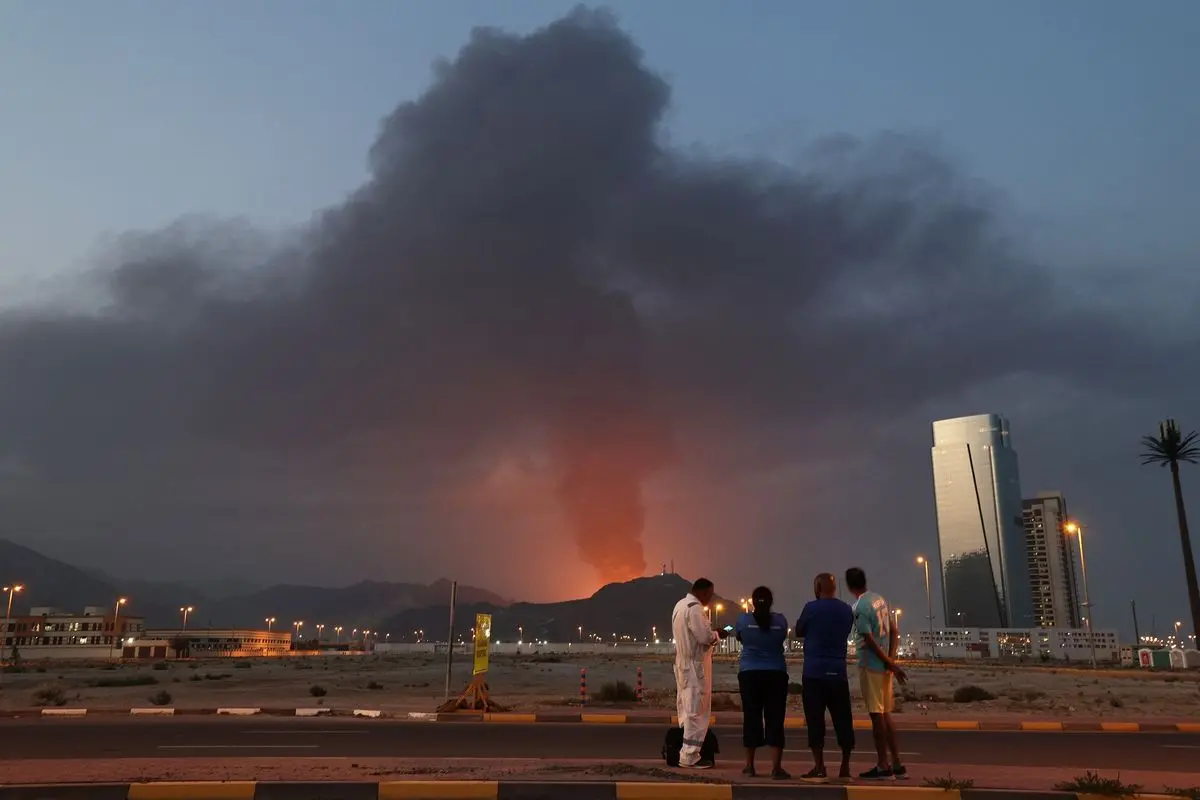
Middle East Tensions Escalate: Bitcoin’s Direction Questioned Amid Rising Uncertainty
Geopolitical tensions in the Middle East have once again become a central focus for global markets. The potential escalation of conflict is not only affecting energy prices and economic stability, but is also increasing uncertainty in digital asset markets, including Bitcoin. In such conditions, market participants are once again confronted with a fundamental question: can Bitcoin function as a safe-haven asset like gold, or will it continue to move in line with other risk assets?
Bitcoin Faces Pressure in the Early Phase of Uncertainty
Historically, large-scale conflicts have often triggered heightened volatility in financial markets. Rising oil prices, a strengthening U.S. dollar, and capital flows shifting toward safe instruments such as government bonds are recurring patterns. Amid these conditions, Bitcoin known for its high volatility tends to come under selling pressure in the early phase. This is driven by increasing risk-off sentiment, where investors prefer to preserve liquidity rather than take on speculative risk.
Several global market reports also highlight that war-related risks and surging energy prices have become primary concerns for investors, directly influencing movements across multiple asset classes.
Safe-Haven Narrative Remains Debated
At the same time, the view that Bitcoin could serve as an alternative hedge during periods of global uncertainty has re-emerged. In certain crisis periods, the cryptocurrency has demonstrated relative resilience compared to other risk assets. However, this status remains widely debated. Unlike gold, which has been tested as a safe-haven asset for decades, Bitcoin is still considered a relatively new asset with more volatile characteristics.
Some analysts argue that Bitcoin’s behavior is highly contextual—at times reflecting that of a risk asset, while in other periods showing signs of demand as a hedge. This dynamic largely depends on global liquidity conditions and investor risk perception.
Key Factors Shaping Bitcoin’s Trajectory
If tensions in the Middle East continue to escalate, several key factors are likely to influence Bitcoin’s direction. First, global liquidity conditions. Tight monetary policies from central banks could exert additional pressure on crypto assets. Second, energy price movements. A surge in oil prices may fuel inflation and influence interest rate expectations, which in turn affect demand for risk assets. Third, institutional capital flows. Participation from large investors could provide support if Bitcoin begins to be perceived more strongly as an alternative hedge.
Volatility Expected to Remain Elevated
In the short term, heightened volatility is the most likely scenario. The crypto market is expected to remain highly responsive to geopolitical developments, whether in the form of conflict escalation or de-escalation through diplomatic efforts. Sentiment indicators such as the Fear & Greed Index may also move into the extreme fear zone, reflecting rising concern among global investors. Under such conditions, price movements are likely to remain volatile and difficult to predict.
Outlook: Short-Term Pressure, Long-Term Potential
If the conflict in the Middle East continues to intensify, Bitcoin may face short-term pressure due to the dominance of risk-off sentiment. However, over the medium to long term, its potential as an alternative asset remains intact particularly if confidence in traditional financial systems weakens. For investors, understanding these dynamics is crucial. Bitcoin not only serves as an investment instrument but also reflects how global markets respond to evolving uncertainty.
What do you think about this topic? Tell us what you think. Don't forget to follow Digivestasi's Instagram, TikTok, Youtube accounts to keep you updated with the latest information about economics, finance, digital technology and digital asset investment.
DISCLAIMER
All information contained on our website is summarized from reliable sources and published in good faith and for the purpose of providing general information only. Any action taken by readers on information from this site is their own responsibility.
SHARE
VIEW