



Saham News
IHSG Still in the Red, But These Stocks Are Worth Watching-Opportunities Amid Pressure
/index.php
Crypto News - Posted on 21 October 2025 Reading time 5 minutes
Understanding Time Frames in Crypto Trading: A Beginner’s Guide
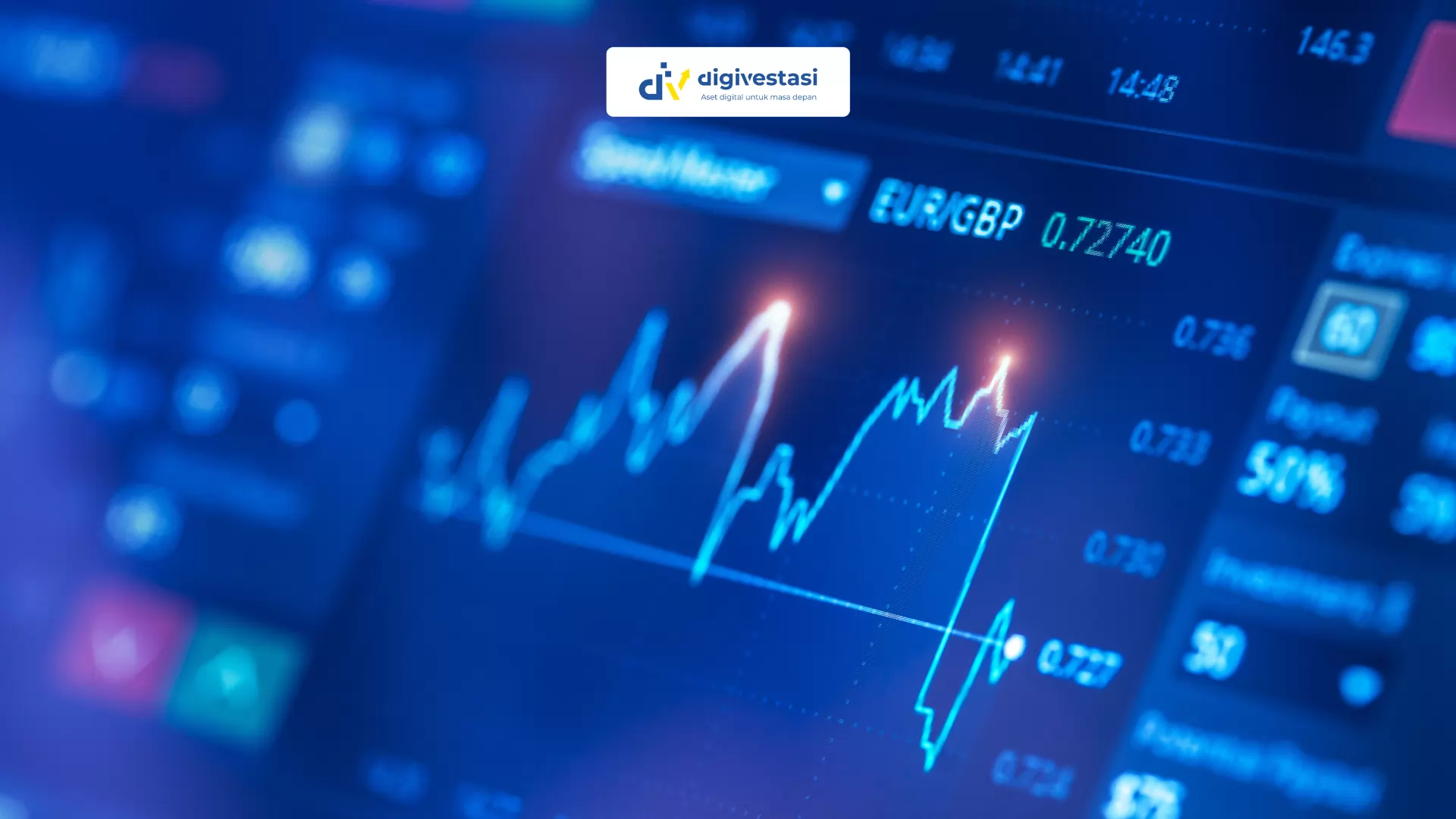
In the world of cryptocurrency trading, one of the most essential concepts to grasp is the time frame. A time frame is the interval or duration used to observe the price movement of a crypto asset (such as Bitcoin or Ethereum) on a chart. Choosing the right time frame is crucial because it determines how well a trading strategy aligns with one’s goals, trading style, and risk tolerance. This guide provides an educational overview of what a time frame is in crypto trading, the different types, how to choose one, and practical examples from trading literature.
What Is a Time Frame in Crypto Trading?
A time frame represents the period that forms the basis of each candle (or bar) on a price chart. For example:
1-minute time frame (M1): Each candle reflects price movement within one minute.
1-hour time frame (H1): Each candle reflects price movement within one hour.
Daily time frame (D1): Each candle represents one full day.
Weekly (W1) or monthly (MN1) time frames represent price movement over one week or one full month, respectively.
Time frames can range from extremely short (seconds or minutes) to very long (weeks or months).
By analyzing price charts through a specific time frame, traders aim to identify price trends, entry points, and exit points more effectively.
Types of Time Frames and Suitable Trading Styles
Below are the main categories of time frames and the trading styles best suited for each:
|
Category |
Example Time Frames |
Common Trading Styles |
Characteristics / Notes |
|---|---|---|---|
|
Ultra–short term / High-frequency |
Seconds to minutes (M1, M5, M15) |
Scalping, high-frequency trading |
Focuses on small price movements; multiple trades within a single day |
|
Intraday / Short-term |
30 minutes, 1 hour, 4 hours (H1, H4) |
Day trading, intraday trading |
Opens and closes positions within the same day |
|
Medium-term / Swing trading |
Daily (D1), 2 days, several days |
Swing trading |
Holds positions for several days or weeks |
|
Long-term / Investing |
Weekly (W1), monthly (MN1) |
Long-term investing |
Focuses on broader market trends with fewer transactions |
For instance, the article “A Beginner’s Guide to Day Trading Crypto” explains that day traders often use 15-minute, 1-hour, and 4-hour intervals to capture price movements that occur within a single day.
How to Choose the Right Time Frame
Several factors should be considered when selecting an appropriate time frame:
Trading Goals and Style
If you prefer fast-paced trading with frequent activity, shorter time frames are suitable.
For longer-term positions with less stress, use longer time frames.
Available Time
Traders who can monitor the market actively may opt for shorter time frames.
If your time is limited, daily or weekly frames are more realistic.
Volatility and Liquidity
On shorter time frames, price movements tend to appear “noisier,” increasing the risk of false signals.
On longer time frames, overall trends become clearer and market noise is reduced.
Combining Time Frames (Multiple Time Frame Analysis)
Many successful traders analyze more than one time frame to confirm signals.
For example, they may identify the main trend on a daily chart and then look for entry opportunities on a smaller time frame.
This technique, widely used in forex and traditional trading.
Testing and Evaluation (Backtesting / Demo Trading)
Before using real capital, try testing your strategy across different time frames using demo accounts or historical market data.
Practical Examples and Common Challenges
A research study analyzing high-frequency crypto price dynamics found that trading patterns often emerge in 15-minute intervals, especially during the release of major U.S. macroeconomic data (such as inflation reports). This suggests that ultra-short time frames can be highly sensitive to global news events. (arXiv)
However, since the crypto market operates 24/7, there are no official “market closing hours” like in stock exchanges. This means price movements can occur at any time requiring traders to remain alert to potential trend reversals even outside typical trading hours.
The main challenges of using short time frames include:
A higher frequency of false signals
Increased trading costs (spreads, fees)
The need for strict discipline and constant attention
Time frames are the foundation of technical analysis and trading strategies in crypto.
Selecting an inappropriate time frame can cause even a sound strategy to fail.
In summary:
Define your trading goals and style clearly.
Consider your time availability and risk tolerance.
Use multiple time frames for confirmation.
Always test your strategy before committing real funds.
What do you think about this topic? Tell us what you think. Don't forget to follow Digivestasi's Instagram, TikTok, Youtube accounts to keep you updated with the latest information about economics, finance, digital technology and digital asset investment.
DISCLAIMER
All information contained on our website is summarized from reliable sources and published in good faith and for the purpose of providing general information only. Any action taken by readers on information from this site is their own responsibility.
SHARE
VIEW