


Saham News
IHSG Still in the Red, But These Stocks Are Worth Watching-Opportunities Amid Pressure
/index.php
Berita Terkini - Posted on 05 December 2025 Reading time 5 minutes
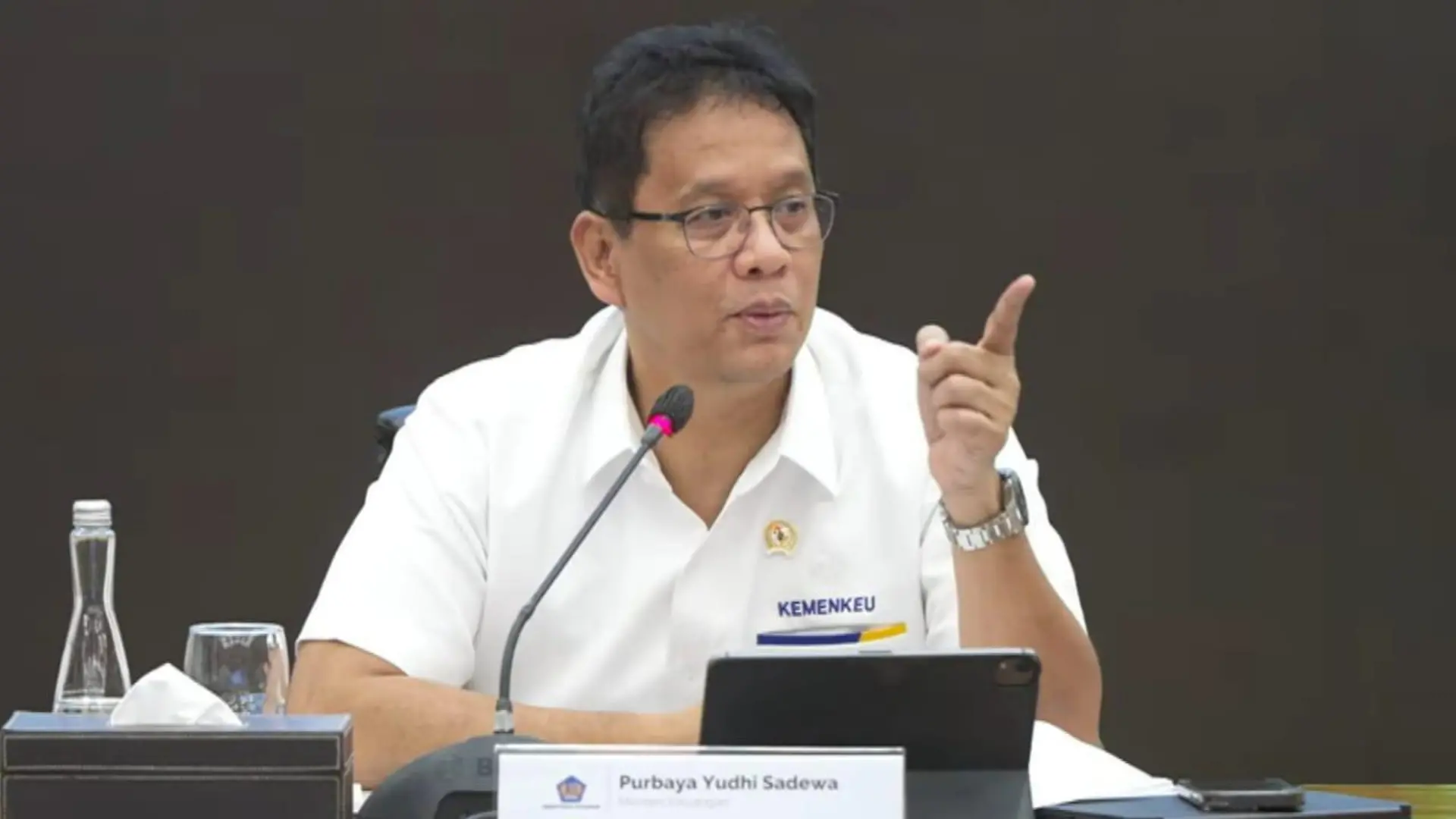
The Head of the National Single Window Agency (LNSW), Oza Olavia, stated that the Indonesia National Single Window System (SINSW) can serve as a tool to prevent illegal imports and under-invoicing practices.
For context, LNSW is a non-echelon unit under the Ministry of Finance and reports directly to the Minister of Finance.
Oza explained that SINSW has two components that help prevent illegal imports and under-invoicing: administrative procedures and trade data exchange between Indonesia and other countries.
She provided an example: if an importer receives a permit to bring in 100 tons of meat but the Import Declaration (PIB) shows a quantity exceeding that limit, the system will automatically reject the import.
“For example, meat. If the importer is approved for 100 tons in one PIB, the Ministry of Agriculture issues a recommendation for 100 tons and sends it to LNSW through the system, which is then forwarded to the Ministry of Trade,” Oza said during a Media Gathering titled “Managing LNSW to Optimize State Budget Performance” in Jakarta, Thursday (December 4, 2025).
“The Ministry of Trade will issue an import approval for 100 tons. But if the importer then submits a PIB declaring 120 tons, the LNSW system will automatically reject it,” she added.
She emphasized that in such a situation, the import request will not be forwarded to Customs, preventing the goods from entering Indonesia.
“Because it exceeds the allowed quota, the PIB cannot be transmitted to Customs. This means the importer is not entitled to bring in 120 tons,” she said.
Oza further explained that INSW—an integrated ecosystem connecting ministries/agencies involved in export, import, and logistics—centralizes all permits into a single gate, reducing opportunities for illegal importation without proper authorization.
“The system must show that the importer holds the necessary permits. For example, medical devices require approval from the Ministry of Health. Without the permit in the system, the PIB cannot proceed,” she noted.
LNSW has also established data exchange with countries that have trade agreements with Indonesia. These countries include ASEAN members, Japan, China, and South Korea. According to Oza, this data exchange helps reduce illegal imports.
“In terms of international data exchange, it is very effective in minimizing illegal imports,” she stressed.
She added that the electronic system ensures that trade documents can no longer be falsified.
“In the past, with hardcopy documents, content could be swapped or altered—quantities and types of goods were easily manipulated. Such fraud was possible when everything was manual,” she explained.
“With the introduction of E-COO, data cannot be modified because it is sent directly by the authorized body in the exporting country. The more data exchanged electronically, the lower the risk of illegal imports,” she continued.
Oza concluded that electronic systems and the single-window mechanism play a crucial role in increasing state revenue by reducing illegal import activities.
Source: cnbcindonesia.com
What do you think about this topic? Tell us what you think. Don't forget to follow Digivestasi's Instagram, TikTok, Youtube accounts to keep you updated with the latest information about economics, finance, digital technology and digital asset investment.
DISCLAIMER
All information contained on our website is summarized from reliable sources and published in good faith and for the purpose of providing general information only. Any action taken by readers on information from this site is their own responsibility.
SHARE
VIEW