




Bussiness | Economy
Purbaya Yudhi Sadewa Rejects Rp514 Trillion Loan from IMF & World Bank-Here's Why
/index.php
Berita Terkini - Posted on 07 January 2026 Reading time 5 minutes
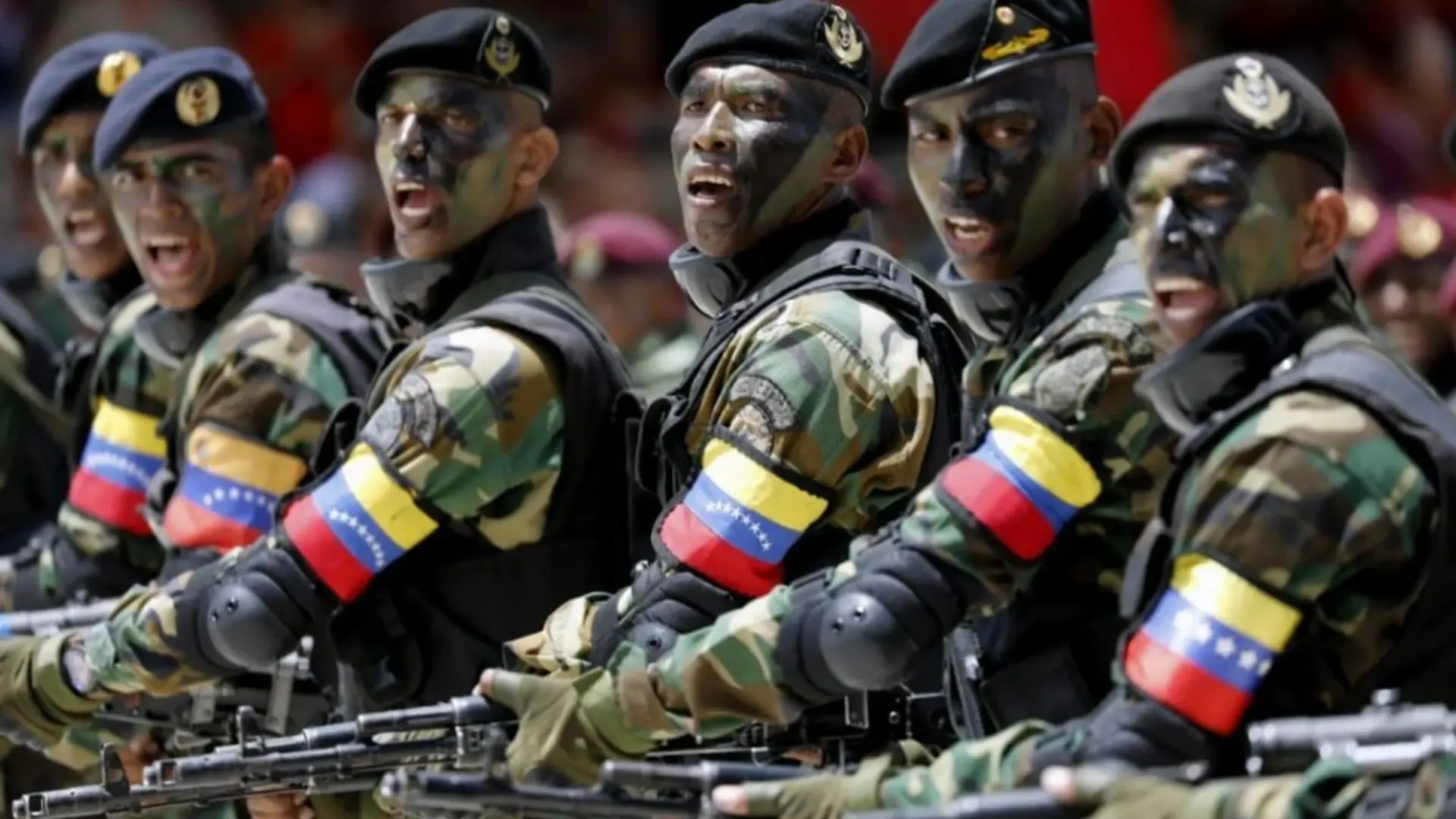
Following Operation Absolute Resolve, the central question within military circles was not merely how the United States managed to capture Nicolas Maduro, but why the Bolivarian National Armed Forces (FANB)—a force numbering over 150,000 troops—remained effectively paralyzed during the 30-minute assault on January 3, 2026.
According to intelligence reports and tactical assessments, Venezuela’s lack of military response resulted from a “perfect storm” combining technological suppression and the collapse of internal command structures. Four key factors are cited to explain why Venezuelan forces did not resist the U.S. attack.
First, a complete electronic blackout. Reports indicate that the primary cause was a massive preemptive electronic warfare operation. U.S. Navy EA-18G Growler aircraft deployed Next Generation Jammer pods, rendering Venezuela’s Russian-made S-300VM air defense systems inoperative. Major communication antennas, including those at Cerro El Volcán, were neutralized within minutes, creating a “fog of war” that left regional commanders unable to receive orders or verify developments in the capital.
Second, internal defections. Despite years of outward loyalty, FANB was reportedly unprepared for a high-intensity, peer-level conflict. Rank-and-file soldiers, earning roughly USD 100 per month, faced severe morale challenges. Intelligence sources suggest defections surged after the initial explosions struck Fuerte Tiuna and La Carlota Air Base. By detaining Maduro and his inner circle in the opening phase of the operation, U.S. forces effectively severed the chain of command, causing junior officers to hesitate in launching potentially suicidal counterattacks.
Third, alleged behind-the-scenes negotiations by senior generals. Opposition sources, including reports cited by international media, suggest the military’s silence was not entirely coincidental. Unconfirmed accounts indicate that high-ranking generals may have engaged in covert talks with U.S. intelligence. By refraining from engagement, these commanders may have sought immunity or future roles in a transitional government. In many modern coup or intervention scenarios, military units often wait to see which side prevails, and the extraordinary speed of the U.S. Delta Force operation made the outcome apparent before any organized response could form.
Fourth, overwhelming technological asymmetry. President Donald Trump stated that Venezuela’s entire military capability had been neutralized. In what was described as a “made-for-TV” operation, U.S. forces employed stealth assets completely undetectable by Venezuelan defenses. The deployment of special forces equipped with night-vision and thermal technology against a military crippled by widespread power outages gave the United States a decisive “predatory advantage” under cover of darkness.
Source: sindonews.com
What do you think about this topic? Tell us what you think. Don't forget to follow Digivestasi's Instagram, TikTok, Youtube accounts to keep you updated with the latest information about economics, finance, digital technology and digital asset investment.
DISCLAIMER
All information contained on our website is summarized from reliable sources and published in good faith and for the purpose of providing general information only. Any action taken by readers on information from this site is their own responsibility.
SHARE
VIEW