
News Update
4 Simple Ways to Manage Emotions in Business-A Key to Entrepreneurial Success
/index.php
Bisnis | Ekonomi - Posted on 23 December 2025 Reading time 5 minutes
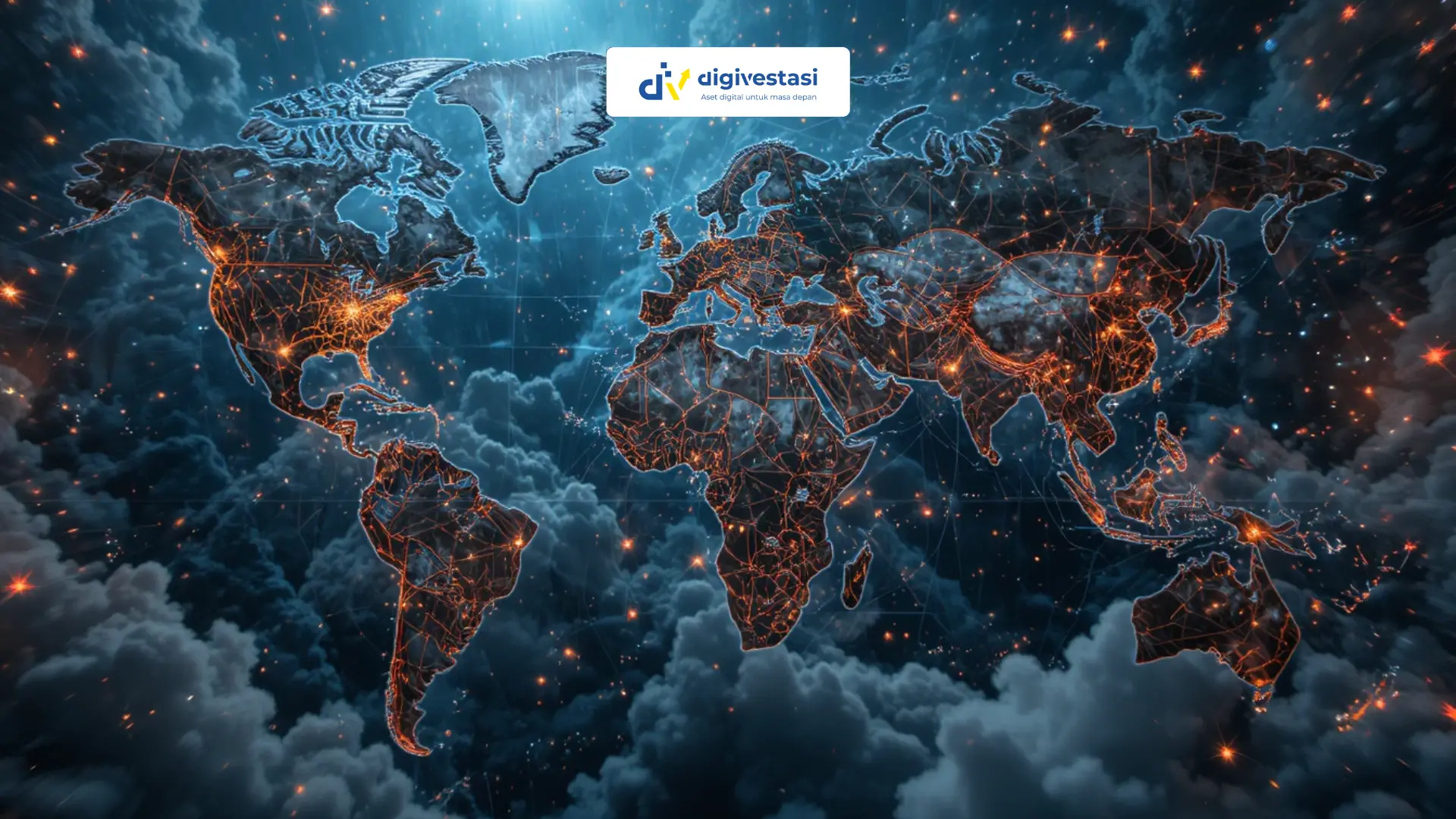
Pressure Spreads Across Multiple Asset Classes
The increase in volatility has not been confined to equity markets but has also spread to cryptocurrencies and commodities. During periods of heightened global uncertainty, Bitcoin and other major digital assets often exhibit more extreme price movements, while altcoins tend to face deeper selling pressure. This pattern reflects investors’ preference for maintaining high liquidity levels and seeking capital preservation.
Meanwhile, global equity markets have experienced similar stress. Heightened investor sensitivity to geopolitical developments that may affect economic growth and international capital flows has led to wider price fluctuations over relatively short time horizons.
This approach has become increasingly relevant under current global conditions, where regional conflicts, trade tensions, and shifts in the monetary policy stance of major central banks continue to generate recurring shocks in financial markets.
Market Outlook Going Forward
Several economists expect geopolitical uncertainty to remain a key factor shaping global market direction through 2026, particularly if conflicts and international trade dynamics show no clear signs of easing. Under such circumstances, volatility in risk assets such as equities and cryptocurrencies is likely to remain elevated, while demand for safe-haven assets may continue to strengthen.
What do you think about this topic? Tell us what you think. Don't forget to follow Digivestasi's Instagram, TikTok, Youtube accounts to keep you updated with the latest information about economics, finance, digital technology and digital asset investment.
DISCLAIMER
All information contained on our website is summarized from reliable sources and published in good faith and for the purpose of providing general information only. Any action taken by readers on information from this site is their own responsibility.
SHARE
VIEW