



Saham News
Bareksa Analysts Pick PSAB and BBCA, Here's Their Outlook for the IHSG
/index.php
Bisnis | Ekonomi - Posted on 30 March 2026 Reading time 5 minutes
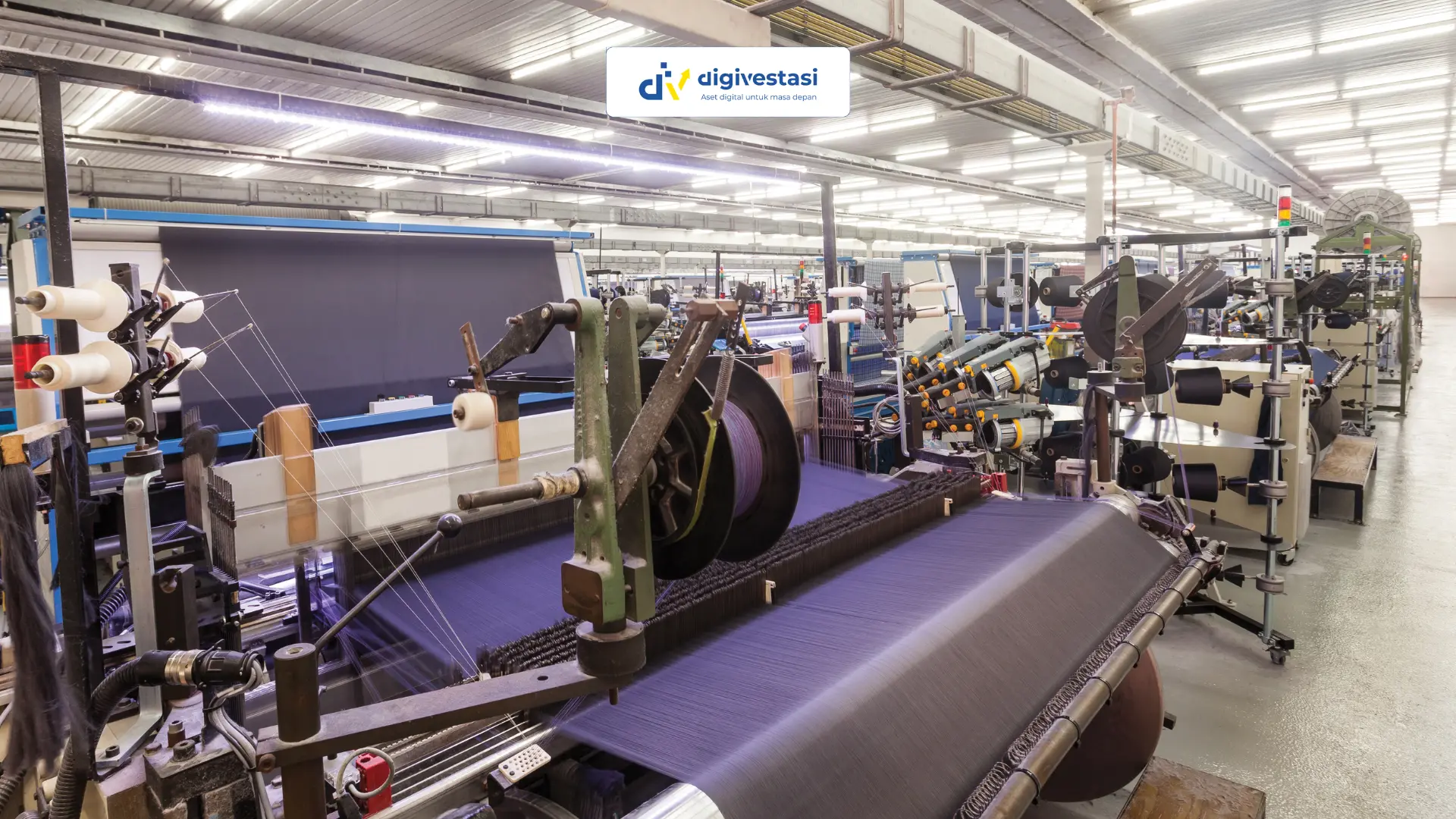
Businesses in the textile and textile product (TPT) industry, including fiber and filament yarn manufacturers, are also experiencing the impact of the Middle East conflict, which has driven up polyester raw material prices.
The Chairman of the Indonesian Fiber and Filament Yarn Producers Association (APSyFI), Redma Gita Wirawasta, explained that polyester’s main raw materials are affected because they are derived from petrochemical products, which originate from oil and gas.
He stated that the direct impact can be seen in the rising prices of paraxylene (PX), purified terephthalic acid (PTA), and monoethylene glycol (MEG), the key raw materials for polyester, which have now increased by around 15%.
According to him, the upstream segment of the textile industry is still capable of maximizing domestic production. However, certain needs still have to be met through imports, particularly cotton, as well as a smaller portion of PX and MEG.
However, if geopolitical uncertainty continues, the supply of imported raw materials could face disruptions. This situation therefore needs to be anticipated by increasing domestic supply.
Meanwhile, in the intermediate or midstream segment of the textile production chain, industry players are also considered capable of boosting local production to reduce dependence on imports, especially when global raw material prices are rising.
Unfortunately, domestic producers remain reluctant to increase output as they are taking a cautious stance toward current market conditions.
He noted that local producers still lack confidence in the current situation, especially in the absence of clear certainty and government support for domestic production going forward.
Redma emphasized that in terms of capacity and quality, the national textile industry is actually well capable of meeting domestic market demand. However, to achieve this, he believes the government needs to provide assurances to ensure the sustainability of the national textile market.
Amid global uncertainty, upstream textile producers that are still operating continue striving to maintain factory utilization rates above 70% to preserve economic viability.
Nevertheless, the overall national utilization rate remains at around 45%.
Source: kontan.co.id
What do you think about this topic? Tell us what you think. Don't forget to follow Digivestasi's Instagram, TikTok, Youtube accounts to keep you updated with the latest information about economics, finance, digital technology and digital asset investment.
DISCLAIMER
All information contained on our website is summarized from reliable sources and published in good faith and for the purpose of providing general information only. Any action taken by readers on information from this site is their own responsibility.
SHARE
VIEW