






Saham News
Bareksa Analysts Pick PSAB and BBCA, Here's Their Outlook for the IHSG
/index.php
Bisnis | Ekonomi - Posted on 06 April 2026 Reading time 5 minutes
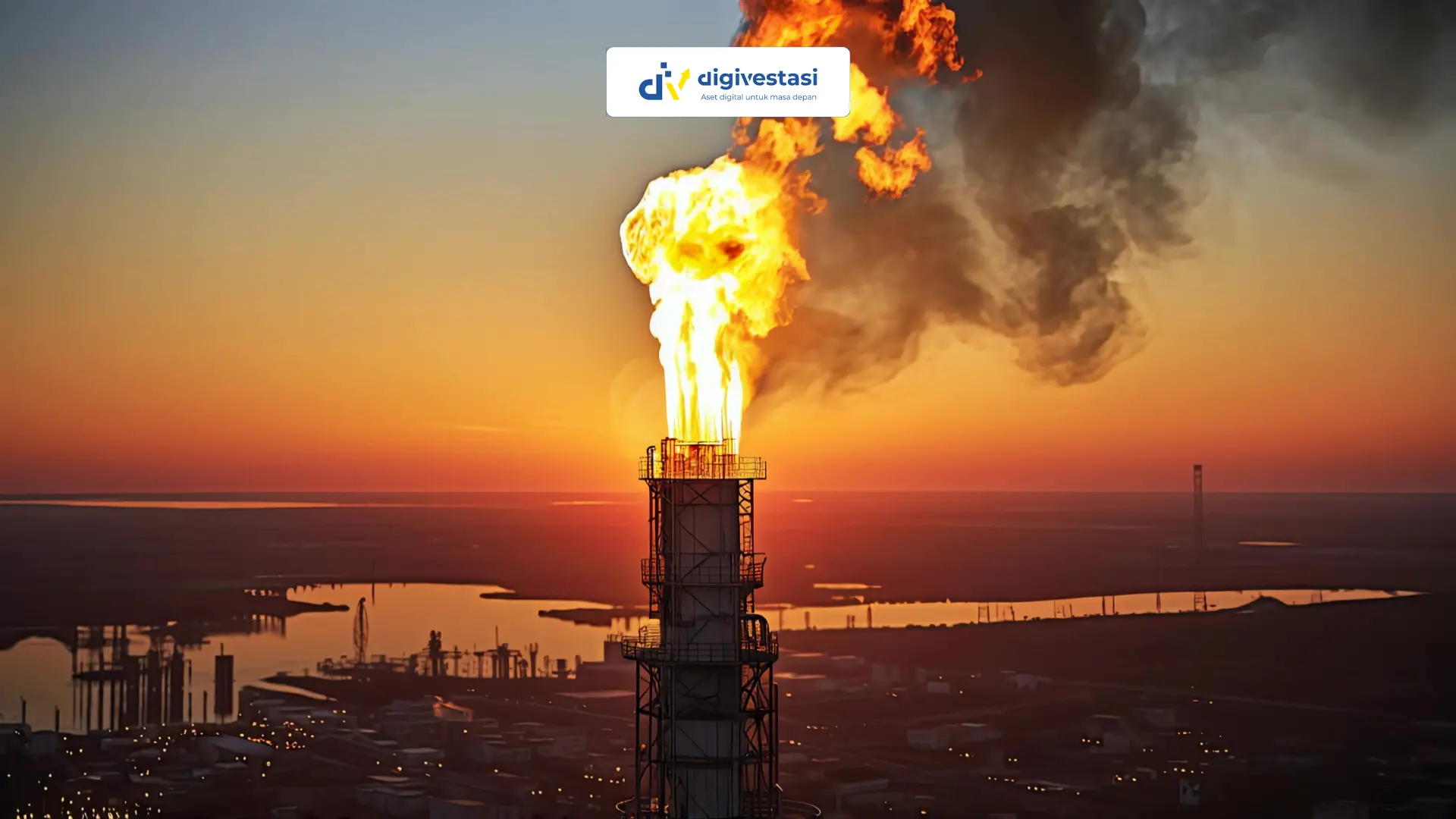
Global oil prices surged on Sunday (April 5, 2026) after President Donald Trump issued an ultimatum to Iran to reopen the Strait of Hormuz by Tuesday or face attacks on its energy facilities. Amid escalating geopolitical tensions, U.S. crude oil prices broke past the $114 per barrel mark.
According to CNBC on Monday (April 6, 2026), U.S. crude rose by 2.35% to $114.16 per barrel at 6:08 p.m. local time. Meanwhile, global benchmark Brent crude also increased by 1.72% to reach $110.91 per barrel.
In a strongly worded social media post, Trump warned that Iran would “live in hell” if it failed to reopen the route. He also threatened to bomb power plants and bridges in the country.
Shortly afterward, Trump posted another brief message reading “Tuesday, 8:00 P.M. Eastern Time!” without further clarification, fueling market speculation about a potential escalation of the conflict in the near term.
Iran has reportedly shut down the Strait of Hormuz effectively through attacks on oil tankers. This maritime route is a crucial link between the Persian Gulf and global markets, with around 20% of the world’s oil supply previously passing through it.
The closure of the Strait of Hormuz has triggered the largest oil supply disruption in history. Prices of crude oil, jet fuel, diesel, and gasoline have surged sharply since the conflict began.
In a national address the previous week, Trump stated that the conflict could last between two to three weeks, increasing market concerns over prolonged pressure on global energy supplies.
According to a report by TD Securities, nearly 1 billion barrels of oil supply are expected to be lost by the end of this month, consisting of approximately 600 million barrels of crude oil and 350 million barrels of refined products.
TD Securities senior commodities analyst Ryan McKay said that supply prospects are worsening as the conflict is projected to continue through April, making the global oil supply outlook increasingly bleak.
Meanwhile, Rapidan Energy estimates that the net loss of oil and energy product supply will reach 630 million barrels by the end of June. This estimate already accounts for pipeline diversions, emergency reserve releases, and inventory drawdowns.
On the other hand, eight OPEC+ member countries have agreed to increase production by 206,000 barrels per day in May. However, it remains unclear how this additional supply will reach global markets while the Strait of Hormuz remains closed.
Kuwait Petroleum Corporation reported that several of its operational facilities were hit by drone attacks and suffered significant damage, further worsening the condition of energy infrastructure in the region.
OPEC+ also warned that repairing energy infrastructure damaged by Iranian attacks will require substantial costs and considerable time, potentially disrupting global energy supply availability over a longer period.
Source: cnbcindonesia.com
What do you think about this topic? Tell us what you think. Don't forget to follow Digivestasi's Instagram, TikTok, Youtube accounts to keep you updated with the latest information about economics, finance, digital technology and digital asset investment.
DISCLAIMER
All information contained on our website is summarized from reliable sources and published in good faith and for the purpose of providing general information only. Any action taken by readers on information from this site is their own responsibility.
SHARE
VIEW