




Saham News
Bareksa Analysts Pick PSAB and BBCA, Here's Their Outlook for the IHSG
/index.php
Bisnis | Ekonomi - Posted on 02 March 2026 Reading time 5 minutes
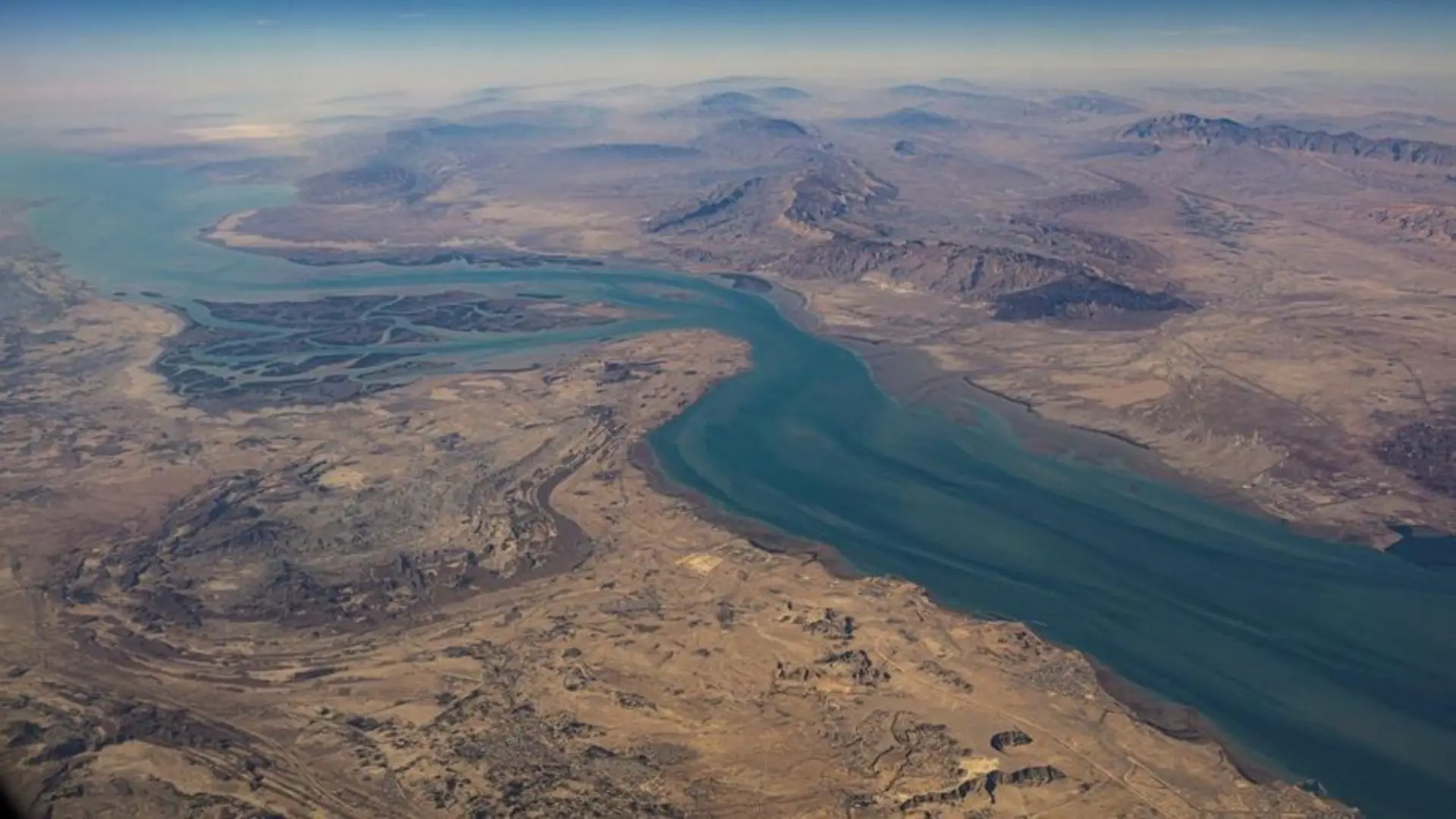
Iran’s decision to close the Strait of Hormuz is expected to have serious repercussions for both the global and domestic economies. The move was taken following the death of Iran’s Supreme Leader, Ayatollah Ali Khamenei, amid escalating conflict involving the United States and Israel in recent days.
Bhima Yudhistira, Executive Director of the Center of Economic and Law Studies (CELIOS), projects that global crude oil prices could surge to between US$100 and US$120 per barrel. Oil prices have already climbed around 13.4% over the past month, and the rally is expected to continue.
He noted that disruptions in the Strait of Hormuz would affect approximately 20% of global oil supply. The situation is further aggravated by rising security risks in the conflict zone, including the refusal of insurance coverage for logistics vessels passing through the area. This could hinder distribution and complicate oil imports for many countries, including Indonesia.
As a net oil importer, Indonesia is likely to face significant fiscal consequences. Based on simulations for the 2026 state budget, every US$1 increase in oil prices above the budget assumption could add around Rp10.3 trillion to government spending.
This means that if oil prices reach US$100 to US$120 per barrel, state expenditure could rise by as much as Rp515 trillion in 2026. The burden would stem not only from fuel subsidies but also from compensation to Pertamina and electricity subsidies.
Bhima emphasized that this would create a direct double strain on the state budget, compounded by concerns over a flight to quality among investors, which could weaken the rupiah.
He also pointed out that the food sector is vulnerable, particularly commodities sensitive to exchange rate fluctuations and import chain disruptions, such as soybeans, wheat, and meat. Imported inflation from higher oil and food prices could trigger a downward spiral in household purchasing power.
He warned that the public is clearly unprepared for excessive increases in fuel prices and volatile food inflation. Should the conflict persist and expand, many developing nations could potentially fall into economic crisis.
Separately, oil and gas practitioner Hadi Ismoyo assessed that the latest Middle East conflict is far more severe than previous tensions. He described the death of Ayatollah Ali Khamenei as a turning point that has intensified escalation, including the closure of the Strait of Hormuz.
According to him, this would remove around 20% of global oil supply and 30% of global LNG supply from the market, driving significant increases in oil and LNG prices.
He further projected that conditions may deteriorate, noting that Khamenei was not only the country’s highest authority in determining strategic policy but also a prominent Shia cleric deeply revered by his followers.
He added that the event could ignite profound sentiments of vengeance, likening it to the death of Husayn ibn Ali at Karbala, which he associated with what he described as harsh actions by the United States and Israel.
Source: cnbcindonesia.com
What do you think about this topic? Tell us what you think. Don't forget to follow Digivestasi's Instagram, TikTok, Youtube accounts to keep you updated with the latest information about economics, finance, digital technology and digital asset investment.
DISCLAIMER
All information contained on our website is summarized from reliable sources and published in good faith and for the purpose of providing general information only. Any action taken by readers on information from this site is their own responsibility.
SHARE
VIEW