






Saham News
IHSG Still in the Red, But These Stocks Are Worth Watching-Opportunities Amid Pressure
/index.php
Crypto News - Posted on 06 November 2025 Reading time 5 minutes
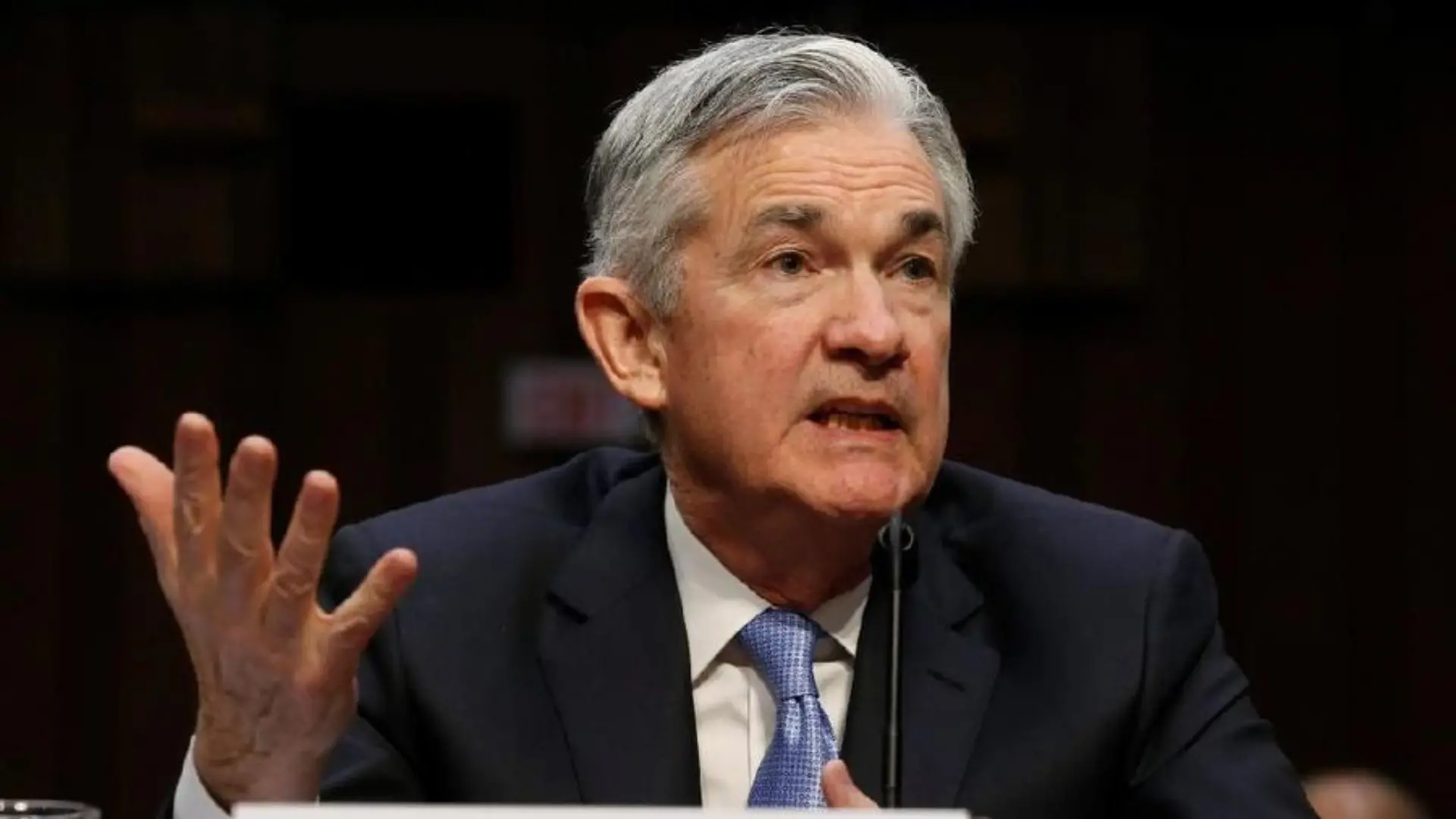
The U.S. Federal Reserve Injects US$50.35 Billion into the Market Through Repo Operations, Signaling Growing Liquidity Strains
The U.S. central bank, the Federal Reserve (Fed), through its branch the Federal Reserve Bank of New York, has once again taken a significant step to maintain money market stability by injecting US$50.35 billion in liquidity through its repurchase agreement (repo) facility on October 31, 2025. According to reports from Reuters and The Economic Times, this amount marks the largest single-day usage since the facility was introduced.
Details of the Repo Operation
Official data shows that usage of the Standing Repo Facility (SRF) reached US$50.35 billion in a single operational day, divided into two separate auctions approximately US$20.35 billion during the first session and US$30 billion in the second.
The move came amid rising short-term liquidity pressures, particularly at the end of the month, when financial institutions typically require additional cash or collateral to balance their money market positions.
On the same day, the reverse repo facility a mechanism through which the Fed absorbs excess cash from market participants — recorded inflows totaling US$51.8 billion, indicating intense two-way activity in the ultra-short-term money markets.
Implications for the Market and Monetary Policy
The sharp rise in repo facility usage provides several important signals for U.S. financial conditions:
1. Liquidity Pressures in the Money Market
Heavy reliance on the SRF suggests tight liquidity within the banking system, as demand for short-term funding has increased significantly.
Typically, institutions resort to the Fed’s repo facility when interbank or traditional repo markets are not sufficiently liquid to meet their cash needs.
2. Possible Shift in the Fed’s Policy Direction
The surge in SRF activity has fueled speculation that the Federal Reserve might reconsider the pace of its balance sheet reduction program (Quantitative Tightening / QT).
As the Fed’s balance sheet contracts, bank reserves decline, increasing the likelihood that the central bank could slow down QT to preserve system-wide liquidity.
3. Risks to Assets and Market Volatility
Large-scale repo operations are often followed by heightened volatility across money markets, bonds, and risk assets.
For investors, this serves as a key indicator of potential financial stress among major institutions or short-term liquidity risks in the broader global market.
According to data from Federal Reserve Economic Data (FRED), the reverse repo balance stood at US$51.802 billion as of October 31, 2025. Meanwhile, figures from MacroMicro show that the government repo facility usage reached US$50.35 billion on the same date — the highest level in recent months.
Although the injection appears substantial, repo operations are inherently short-term, typically overnight in duration.
Unlike quantitative easing (QE), this mechanism is not a permanent monetary stimulus, but rather a technical tool to stabilize the money market.
Such repo spikes are often seasonal, especially near the end of months or quarters. However, recurring surges may signal more persistent liquidity strains within the financial system. Analysts emphasize that to accurately assess market conditions, repo operation volumes should be viewed alongside bank reserves, systemic liquidity trends, and the overall trajectory of the Fed’s balance sheet.
Ultimately, the US$50.35 billion repo operation highlights that short-term liquidity in the U.S. financial markets is under significant stress a key indicator for investors, market participants, and global policymakers in anticipating the future direction of Federal Reserve monetary policy.
What do you think about this topic? Tell us what you think. Don't forget to follow Digivestasi's Instagram, TikTok, Youtube accounts to keep you updated with the latest information about economics, finance, digital technology and digital asset investment.
DISCLAIMER
All information contained on our website is summarized from reliable sources and published in good faith and for the purpose of providing general information only. Any action taken by readers on information from this site is their own responsibility.
SHARE
VIEW