


Saham News
Bareksa Analysts Pick PSAB and BBCA, Here's Their Outlook for the IHSG
/index.php
Berita Terkini - Posted on 28 March 2026 Reading time 5 minutes
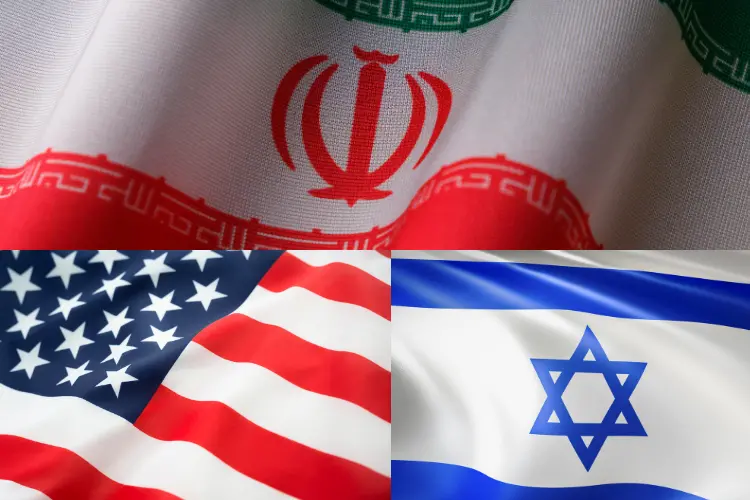
Tensions among Israel, the United States, and Iran have once again seized the attention of the world. This continuously escalating conflict has not been contained within the boundaries of the Middle East its consequences have reached deep into the foundations of the global economy, energy markets, and the international financial system. And amid all of this, one question continues to hang in the air: who is actually winning, and who is bearing the heaviest burden?
In modern conflict, the answer to that question is rarely black and white. Gains and losses do not always appear on the surface, do not always arrive immediately, and do not always fall upon the parties most visibly involved. Some quietly reap the benefits, while others absorb pressures far greater than what is outwardly visible.
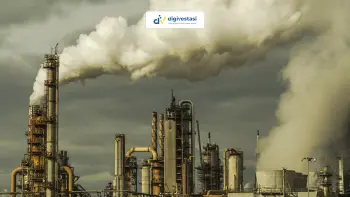
The global energy sector stands among the parties that have most rapidly felt the positive effects however cynical that observation may be. The Middle East is the beating heart of world oil production, and every pulse of tension there is immediately translated by the market into rising prices. Fears of supply disruption are sufficient to drive oil prices higher even before a single drop has actually stopped flowing. Oil-exporting nations outside the conflict zone are enjoying windfall profits they did not have to fight for, while global energy companies are recording profit margins that have expanded significantly.
The defense and military industry particularly in the United States also appears on the list of beneficiaries, even if those benefits arise from a situation that is, in truth, far from ideal for anyone. Escalating tensions are almost invariably followed by surges in defense budgets and rising demand for military equipment. For companies operating in this sector, global instability represents a market that never runs dry.
On another front, gold has once again affirmed its position as the most sought-after refuge whenever uncertainty takes hold. Global investors have moved in large numbers to redirect capital toward instruments regarded as safer, driving both demand and the price of gold upward. In certain crisis conditions, the U.S. dollar has also strengthened, as it is widely regarded as the most reliable reserve currency in times of acute shock.
The picture on the opposite side, however, is far grimmer and its consequences extend well beyond the figures recorded in financial reports. The nations directly involved in the conflict carry the heaviest burden: disrupted infrastructure, eroding political stability, and economic activity that has ground to a halt or slowed dramatically. Domestic growth becomes the first casualty to fall.
Energy-importing nations particularly those classified as developing economies have also been drawn into a pressure they did not choose. A rise in oil prices is not merely a number on a trading board; it translates directly into swelling production costs, creeping inflation, and the steadily diminishing purchasing power of ordinary citizens. The ripple effects are capable of slowing economic growth and compounding fiscal burdens that are already far from light.
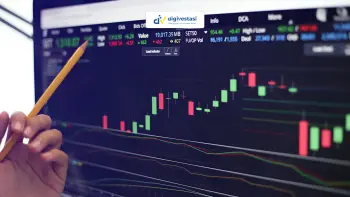
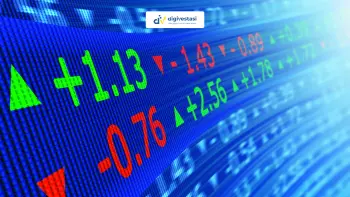
Global financial markets, too, are unable to stand firm in the face of such turbulence. Shares in the technology sector and growth stocks tend to be the first to be sold when investors shift into defensive mode. Crypto assets such as Bitcoin also frequently experience sharp volatility in conditions like these reflecting how swiftly market sentiment can reverse course when geopolitical uncertainty seizes control.
What do you think about this topic? Tell us what you think. Don't forget to follow Digivestasi's Instagram, TikTok, Youtube accounts to keep you updated with the latest information about economics, finance, digital technology and digital asset investment.
DISCLAIMER
All information contained on our website is summarized from reliable sources and published in good faith and for the purpose of providing general information only. Any action taken by readers on information from this site is their own responsibility.
SHARE
VIEW