





Digital Investment
Finance Minister Signals Bond Stabilization Fund Could Involve Finance Ministry SMVs-What Does It Mean?
/index.php
Bisnis | Ekonomi - Posted on 17 February 2025 Reading time 5 minutes
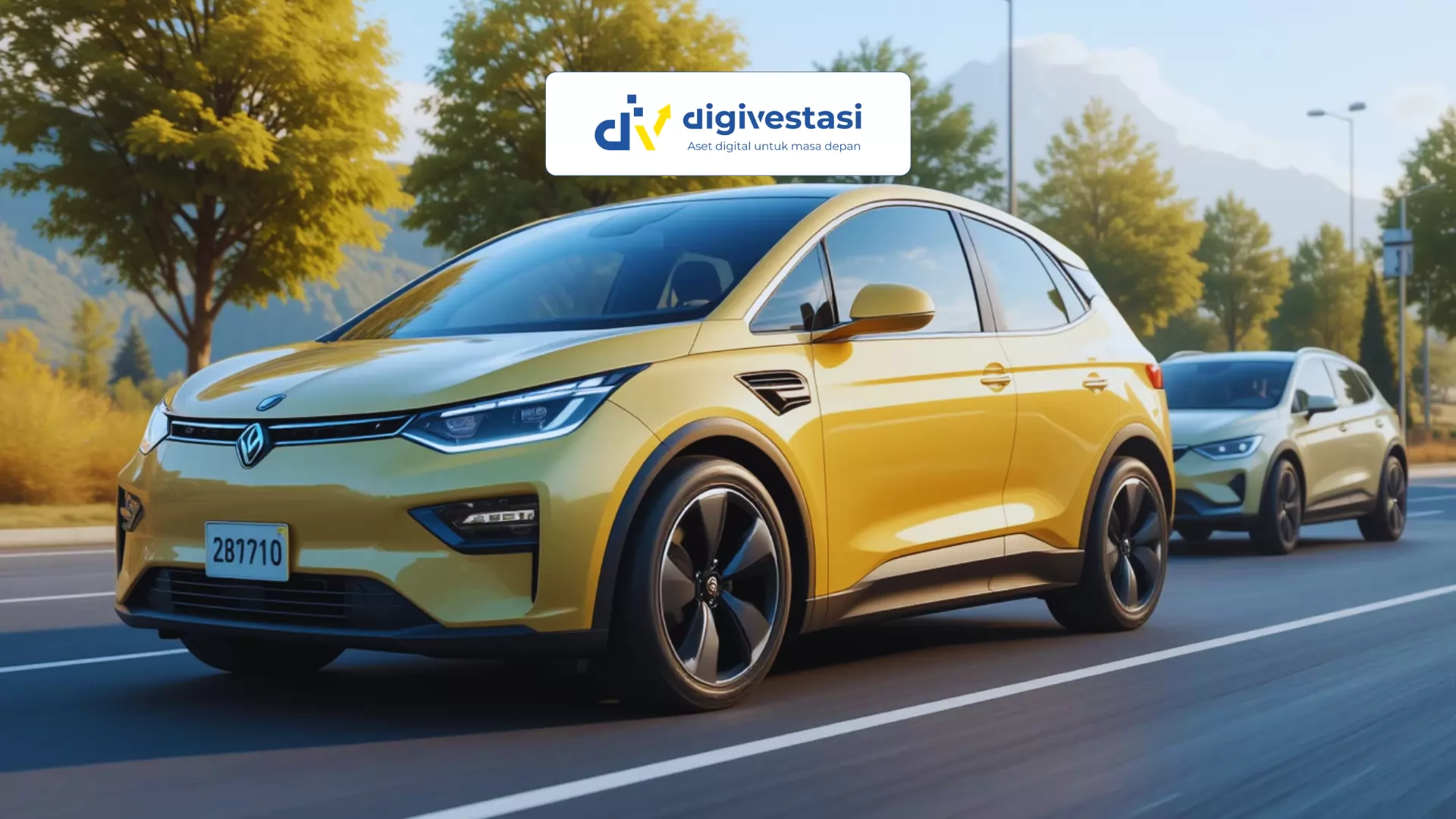
Constitutional Economist Defiyan Cori emphasized that accelerating the energy transition through electrification programs is a crucial step toward achieving national energy sovereignty and resilience. One significant milestone in this effort is the Indonesia International Motor Show (IIMS) 2025, officially opened at JIExpo Kemayoran, Central Jakarta, on February 13, 2025.
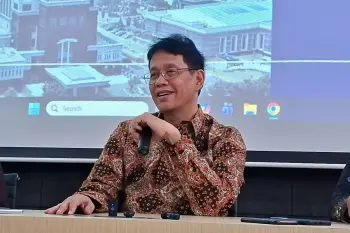
"This exhibition provides an excellent opportunity for the government to continue driving the energy transition process, particularly in ensuring energy self-sufficiency and sovereignty amid global dynamics," said Defiyan on Monday (February 17, 2025).
The automotive exhibition features around 60 vehicle brands, including 34 car brands and 25 motorcycle brands, serving as a strategic platform for manufacturers—especially in the electric vehicle (EV) sector—to expand their footprint in the domestic market. IIMS 2025 also aligns with the government's agenda to reduce reliance on fossil fuels and transition towards cleaner and more sustainable energy solutions.
To support the electric vehicle ecosystem, the development of Public Electric Vehicle Charging Stations (SPKLU) has surged significantly, increasing by 300 percent from approximately 1,000 units in 2023 to over 3,000 units in 2024. Additionally, Home Charging Services (HCS) have expanded by over 300 percent, growing from 9,000 units in 2023 to 28,000 units in 2024.
Beyond infrastructure expansion, EV electricity consumption has also grown exponentially. Transactions at SPKLU increased from 119,600 to 402,509 transactions, marking a 337 percent surge. Meanwhile, electricity consumption from SPKLU skyrocketed from 2.4 million kWh in 2023 to 9.1 million kWh in 2024, reflecting a 370 percent increase.
Similarly, electricity usage for HCS surged by over 403 percent, from 2.9 million kWh in 2023 to 11.8 million kWh in 2024. This rapid growth underscores the accelerating expansion of Indonesia’s EV ecosystem, further reinforcing the government’s commitment to expediting EV adoption under Presidential Regulation No. 55/2019. This initiative is in line with the goal of achieving Net Zero Emissions (NZE) by 2060, or potentially even earlier.
From a constitutional perspective, Defiyan Cori emphasized the necessity of policy incentives to accelerate the energy transition.
"Additional incentives, such as Value-Added Tax (VAT) reductions and investment facilitation for EV manufacturing plants across Indonesia, should be expanded to ensure the continuous growth of the national EV industry," he stated.
With synergy between the government and the automotive industry, coupled with rigorous oversight mechanisms, the transition to clean energy is expected not only to strengthen national energy sovereignty but also to create more jobs and boost inclusive economic growth across Indonesia.
Temukan berita dan artikel lainnya di Google News
Source: suara.com
What do you think about this topic? Tell us what you think. Don't forget to follow Digivestasi's Instagram, TikTok, Youtube accounts to keep you updated with the latest information about economics, finance, digital technology and digital asset investment.
DISCLAIMER
All information contained on our website is summarized from reliable sources and published in good faith and for the purpose of providing general information only. Any action taken by readers on information from this site is their own responsibility.
SHARE
VIEW