






Crypto News
Revealed! Who Owns the Most Bitcoin in 2026? Shocking Data & Top Holders List
/index.php
Bisnis | Ekonomi - Posted on 18 August 2025 Reading time 5 minutes
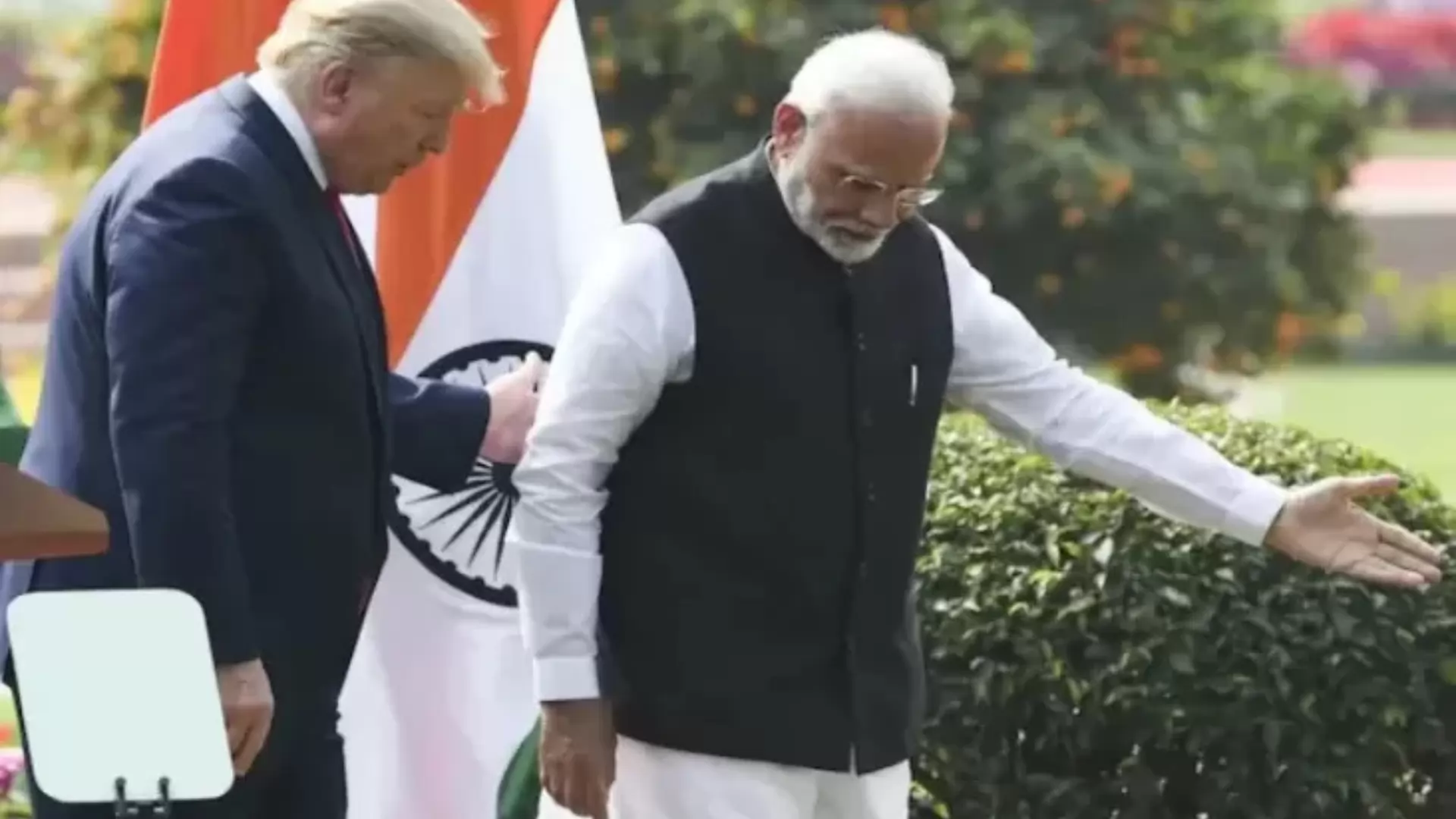
The Indian government is hopeful that the consumption tax cuts announced by Prime Minister Narendra Modi will boost the economy without worsening the fiscal deficit, ultimately offsetting losses from higher U.S. tariffs. According to Bloomberg on Monday (August 18, 2025), officials in New Delhi said over the weekend that the proposed reduction in goods and services tax (GST) would benefit several sectors, particularly consumer spending and small businesses. The adjustment is expected to have only a limited effect on state revenues, one official told reporters on condition of anonymity.
In response to the policy, IDFC First Bank Ltd. projected that lower consumption taxes could raise economic growth by 0.6 percentage points, while inflation could decline by 0.6–0.8 percentage points over the next 12 months. Meanwhile, Emkay Global Financial Services Ltd. estimated a revenue loss of 0.4% of GDP. “Simplifying the GST structure is a welcome reform to stimulate domestic consumption, especially given that India’s tax burden has been rising,” said Madhavi Arora, an economist at Emkay, in a note. Although GST reform has been under discussion for years, Modi’s Independence Day announcement still caught many by surprise. The move came amid President Donald Trump’s threat to double tariffs on Indian exports to the U.S. to 50% on August 27, 2025, as punishment for India’s oil purchases from Russia.
On Friday, Modi stated that India’s economy must become more self-reliant, particularly in critical sectors such as energy, minerals, and defense. His tax announcement came just a day after S&P Global Ratings upgraded India’s sovereign credit rating to BBB—the first such upgrade in 18 years. S&P noted that Trump’s tariffs would likely have a contained impact on India’s consumption-driven economy. Consumer spending and business investment together account for more than 60% of India’s GDP.
Following Trump’s announcement of the 50% tariff, analysts, including those at Citigroup Inc., projected a downside risk of 0.6–0.8 percentage points to India’s annual growth. The proposed GST cut could help cushion that impact. “Rising consumption may offset the risks of a no-deal scenario between the U.S. and India,” said Garima Kapoor, an economist at Elara Capital. She added that S&P’s upgrade could also enhance India’s appeal as an investment destination amid slowing global growth.
India’s GST system is currently complex, with four main tax brackets: 5%, 12%, 18%, and 28%. The proposed reform would reduce these to just two categories, shifting most goods currently taxed at 12% and 28% into lower brackets of 5% and 18%. About two-thirds of the government’s GST revenue comes from the 18% category, which, according to officials, would help limit the fiscal impact of the changes. Any revenue shortfall is also expected to be offset by higher consumption of essential goods such as food, which would face lower tax rates.
The proposal will first be reviewed by a panel of state finance ministers before being submitted to the GST Council, chaired by Finance Minister Nirmala Sitharaman, in September or October. The GST Council will make the final decision on the tax rate changes. Officials confirmed that the adjustments would take effect within the current fiscal year.
Source: bisnis.com
What do you think about this topic? Tell us what you think. Don't forget to follow Digivestasi's Instagram, TikTok, Youtube accounts to keep you updated with the latest information about economics, finance, digital technology and digital asset investment.
DISCLAIMER
All information contained on our website is summarized from reliable sources and published in good faith and for the purpose of providing general information only. Any action taken by readers on information from this site is their own responsibility.
SHARE
VIEW