




Crypto News
Revealed! Who Owns the Most Bitcoin in 2026? Shocking Data & Top Holders List
/index.php
Bisnis | Ekonomi - Posted on 15 July 2025 Reading time 5 minutes
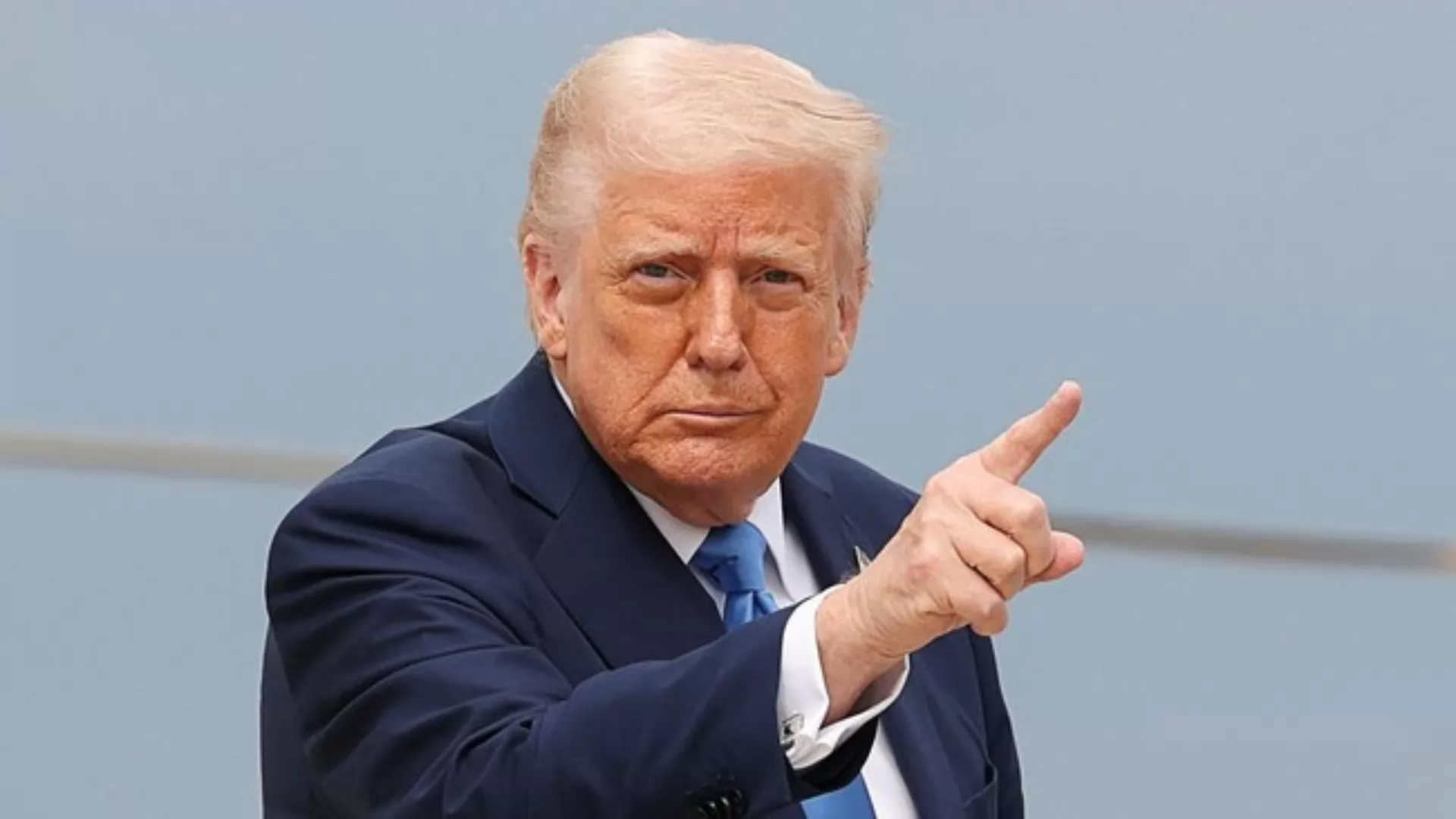
The United States (US) President's policy of imposing a 32% import tariff on products from Indonesia is expected to cause significant disruption to export-oriented industries, including the furniture sector.
This tariff measure from President Trump could potentially trigger a wave of layoffs (redundancies).
“Based on HIMKI’s internal simulations, without concrete mitigation steps, an estimated 270,000 workers could be gradually at risk of losing their jobs,” stated Abdul Sobur, Chairman of the Indonesian Furniture and Craft Industry Association (HIMKI), to CNBC Indonesia on Tuesday (July 15, 2025).
The layoffs are expected as a result of a sharp downturn in Indonesia’s furniture industry due to increased product prices in the US market, rising between 20% and 35%. For instance, a wooden chair normally sold at US$100 per unit to US buyers could rise to US$120–135 per unit with this new tariff.
“This price hike will suppress demand. US buyers, who are extremely price-sensitive, will easily shift to suppliers from competing countries,” he explained.
The rising cost of Indonesian furniture will lessen its appeal to American consumers. Consequently, orders will decline, production capacity will be scaled back, while fixed operational costs must still be borne.
“This is the exact condition that could lead to large-scale layoffs,” Abdul Sobur emphasized.
When Indonesian products lose buyers, domestic production slows, and fulfillment of orders drops significantly.
“Are there signs of this already happening? Yes, current demand from US buyers is visibly weakening,” he noted.
He added that several HIMKI members in major production hubs like Jepara, Pasuruan, Cirebon, Sukoharjo, and surrounding areas have already reported a 20%–30% decline in orders compared to last year. Some small and medium-sized factories have begun reducing working hours or downsizing their workforce to survive.
Nonetheless, industry players remain cautiously optimistic and proactive. They are utilizing all diplomatic channels, collaborating with relevant ministries, and seeking collective business solutions to prevent mass layoffs.
One of the approaches includes accelerating production relocation or diversifying into product segments with higher value and lower sensitivity to tariff wars, such as customized goods, luxury items, or products made from sustainable materials.
“We are also advocating for domestic policy support such as tax incentives, low-interest financing, and domestic purchasing stimulus to maintain production cycles and safeguard jobs,” said Abdul Sobur.
Earlier, Coordinating Minister for Economic Affairs Airlangga Hartarto revealed that Indonesia had secured a postponement in the implementation of the US reciprocal 32% tariff. This delay was achieved after negotiations with the US Secretariat of Commerce Howard Lutnik and US Trade Representative Jamieson Greer on July 9, 2025.
Airlangga made another visit to the US in response to President Trump’s decision to proceed with the 32% tariff following 90 days of negotiation since the tariff war policy was first announced in April 2025.
“Firstly, the additional 10% for BRICS members has been dropped. Secondly, the 32% tariff is currently paused—we are calling this a postponement to allow ongoing negotiations to be resolved,” Airlangga clarified in Brussels, Belgium, on Sunday (July 13, 2025).
He added that following his visit to Washington, Indonesia has been granted an additional three weeks to carry out further negotiations.
“These three weeks are expected to be used for finalizing and fine-tuning the proposals and points that have already been exchanged,” concluded Airlangga.
Source: cnbcindonesia.com
What do you think about this topic? Tell us what you think. Don't forget to follow Digivestasi's Instagram, TikTok, Youtube accounts to keep you updated with the latest information about economics, finance, digital technology and digital asset investment.
DISCLAIMER
All information contained on our website is summarized from reliable sources and published in good faith and for the purpose of providing general information only. Any action taken by readers on information from this site is their own responsibility.
SHARE
VIEW