




Saham News
Bank Central Asia (BBCA) Extends $17T IDR Loan to DCII Owned by Toto Sugiri-What's the Impact?
/index.php
Bisnis | Ekonomi - Posted on 08 January 2025 Reading time 5 minutes
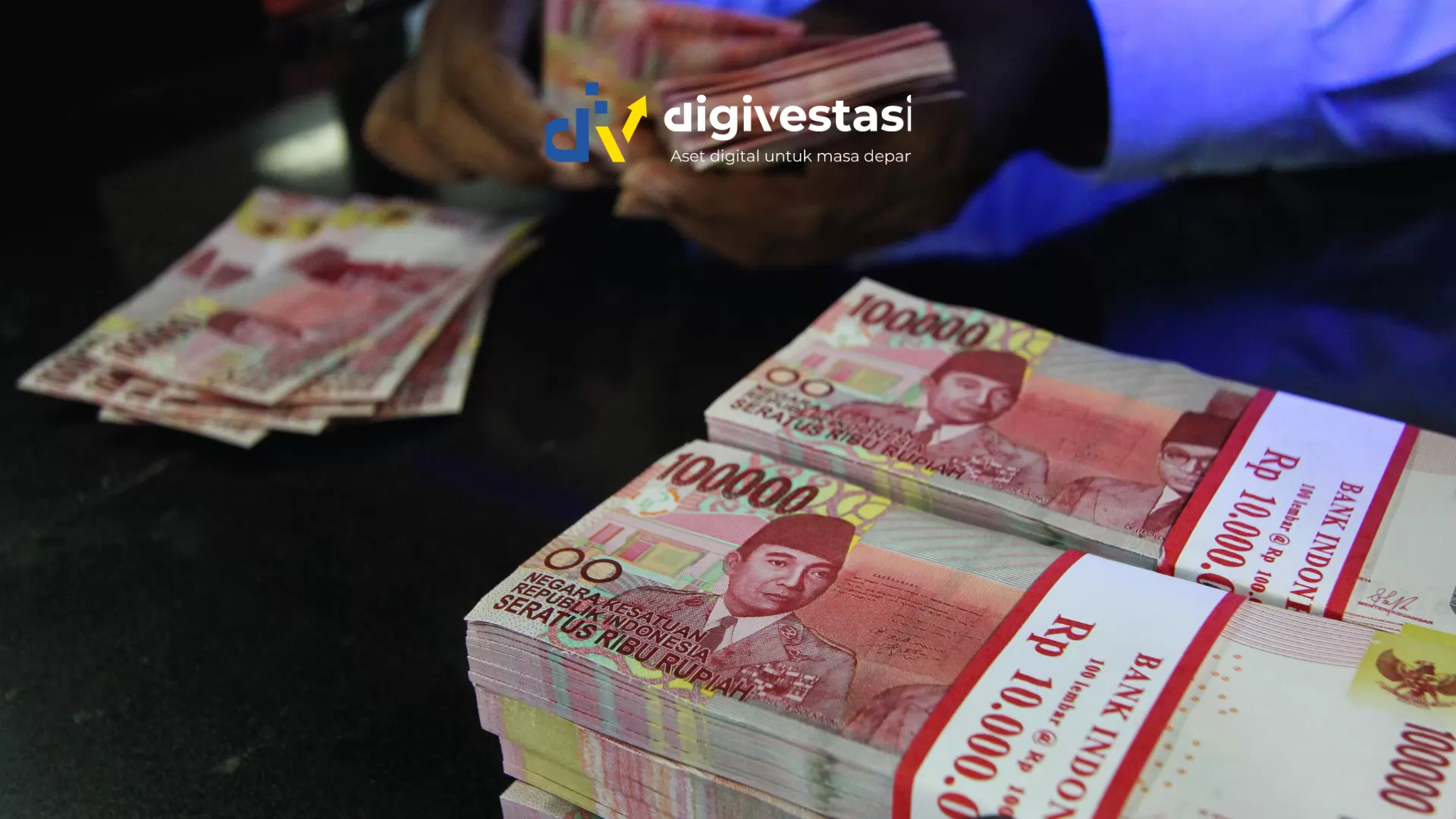
DIGIVESTASI - The government has decided to cancel the planned increase in the Value Added Tax (VAT) rate from 11 percent to 12 percent, which was initially set to take effect starting January 1, 2025, for all types of goods. This VAT rate increase will only apply to luxury goods, which were previously subject to the Luxury Goods Tax (LGT).
With the cancellation of the VAT increase for all goods, the state is expected to lose a potential revenue of up to IDR 75 trillion. This was revealed by the Deputy Speaker of the Indonesian House of Representatives, Sufmi Dasco Ahmad. He also calculated that if the 12 percent VAT rate is only applied to luxury goods, the additional revenue generated from this policy will only reach IDR 3.2 trillion in the 2025 State Budget (APBN), much lower than the IDR 75 trillion in potential losses if the VAT is applied to all goods.
Meanwhile, Finance Minister Sri Mulyani responded calmly to the potential loss of IDR 75 trillion in revenue due to the cancellation of the VAT increase. She stated that despite the lost revenue, the situation could change within the next 12 months and promised to continue providing updates monthly.
The Director-General of Taxes, Suryo Utomo, neither confirmed nor denied the figures and stated that the government would seek alternative sources of revenue to make up for the shortfall by optimizing tax collection.
The loss of potential revenue of IDR 75 trillion poses a challenge for President Prabowo Subianto's administration, which is driving various major programs that require a large budget. One of these programs, the Free Nutritious Meals (MBG) program, needs an allocation of IDR 71 trillion.
However, senior analyst from the Indonesia Strategic and Economic Action Institution, Ronny P. Sasmita, revealed that while the loss of revenue will affect the structure of the 2025 State Budget, it is not certain whether this will directly impact Prabowo's flagship programs. The government may still seek various financing alternatives, such as issuing bonds or reallocating budgets from other programs.
Ronny also assessed that President Prabowo is unlikely to reallocate fuel subsidy funds for other programs like Free Nutritious Meals. This is because cutting fuel subsidies could trigger significant social consequences.
Economist from the Center for Reform on Economics (CORE) Indonesia, Yusuf Rendy Manilet, stated that while the loss of revenue will exert pressure on the 2025 State Budget, it may not necessarily have a direct impact on the government’s flagship programs. The government can optimize tax revenue from other sectors, such as income tax, excise, or import duties. In addition, other measures, such as increasing foreign investment and improving government spending efficiency, can help reduce the impact of the deficit.
Meanwhile, Tata Mustasya, Executive Director of the Sustainable Welfare Foundation Indonesia (SUSTAIN), suggested that the government should optimize revenue collection from the coal and nickel sectors to replace the lost state revenue. Studies have shown that increasing levies on coal could potentially generate far higher revenue than raising the VAT. This potential revenue could be used to fund various national strategic projects, including social programs such as Free Nutritious Meals.
Furthermore, Abdurrahman Arum, Executive Director of the Clean Transition Foundation, recommended that the government boost state revenue through export taxes on nickel products, which is expected to make a significant contribution to state income.
Temukan berita dan artikel lainnya di Google News
Source: cnnindonesia.com
What do you think about this topic? Tell us what you think. Don't forget to follow Digivestasi's Instagram, TikTok, Youtube accounts to keep you updated with the latest information about economics, finance, digital technology and digital asset investment.
DISCLAIMER
All information contained on our website is summarized from reliable sources and published in good faith and for the purpose of providing general information only. Any action taken by readers on information from this site is their own responsibility.
SHARE
VIEW