






Saham News
Bank Central Asia (BBCA) Extends $17T IDR Loan to DCII Owned by Toto Sugiri-What's the Impact?
/index.php
Bisnis | Ekonomi - Posted on 13 May 2025 Reading time 5 minutes
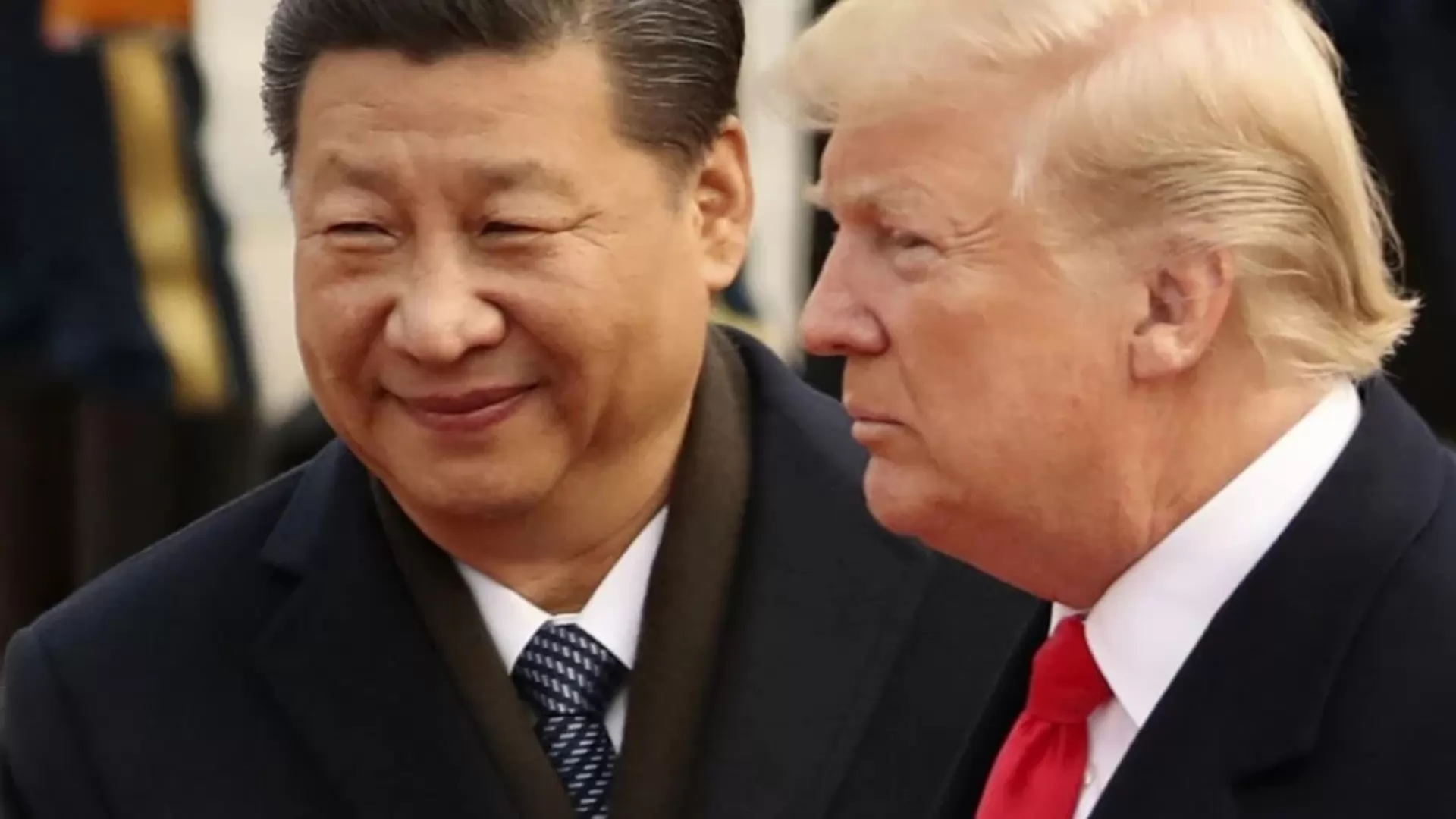
The trade war tensions between the United States and China have begun to ease following a series of intense negotiations held in Geneva, Switzerland. The two largest economies in the world agreed to mutually reduce the tit-for-tat import tariffs over the next 90 days.
According to a report by CNN on Tuesday, May 13, 2025, this dramatic and unexpected de-escalation with China is expected to help reduce America’s trade deficit. For months, President Donald Trump’s tariff war had posed a serious threat to the global financial system and was pushing the U.S. economy toward a potential recession. In response, Trump sent his negotiating team to Geneva in pursuit of what he called a "win."
“We’re actually starting fresh with China,” said Kevin Hassett, Director of the National Economic Council, in an interview with CNN News Central. “That’s how we view this negotiation process,” he added.
The U.S. and China’s joint decision to lower their extremely high tariffs by 115 percentage points by the end of their two-day talks marks the most significant shift in their formerly hardline trade policies. This near-de facto trade embargo between the two nations had been generating mounting domestic and global economic pressures, bringing them to the edge of a full-blown crisis.
Trump deployed Treasury Secretary Scott Bessent and U.S. Trade Representative Jamieson Greer as the lead negotiators. Both were regarded by market participants and their Chinese counterparts as serious, composed, and authoritative figures.
As talks turned serious, the U.S.’s ongoing efforts to secure trade deals with roughly two dozen other countries gained momentum last week after a limited agreement was reached with the United Kingdom. Several foreign diplomats involved in the bilateral talks noted that this reflects the kind of negotiation model Trump is pushing to rapidly conclude exclusive trade agreements with the U.S.
The negotiators, the structure of the negotiations, and the constructive attitude shown by both sides over the coming three months are being interpreted by Trump’s advisers as a highly encouraging sign. Whether these discussions will yield substantive results remains uncertain, but as one adviser told CNN, “this is clearly better than the alternative we were both facing.”
“This is truly the first time we’ve seen a safe landing path without an economic catastrophe,” a Republican senator told CNN.
A shaky bond market, disrupted supply chains, and increasingly alarming warnings from executives across major industries were key accelerators behind Trump’s personal change of course.
Citing Bloomberg, U.S. import tariffs on Chinese goods will fall from 145% to 30%, while China’s tariffs on American products will drop from 125% to 10%. In a joint statement issued by the White House, both countries announced that these changes will go into effect on May 14, 2025, for a duration of three months.
“We have a plan, a process in place, and now with China, we have a mechanism for future negotiations,” Bessent told reporters in Geneva.
For Trump, trade lies at the heart of everything. He even credited the India-Pakistan ceasefire agreement to his promise of boosting trade flows to both nations rapidly.
Fittingly, one of the sharpest observations on the recent dramatic improvement in U.S.-China trade relations came from the very person who previously pushed both countries to the brink—over an entirely different issue, but one no less significant.
Source: detik.com
What do you think about this topic? Tell us what you think. Don't forget to follow Digivestasi's Instagram, TikTok, Youtube accounts to keep you updated with the latest information about economics, finance, digital technology and digital asset investment.
DISCLAIMER
All information contained on our website is summarized from reliable sources and published in good faith and for the purpose of providing general information only. Any action taken by readers on information from this site is their own responsibility.
SHARE
VIEW