






News Update
US Warship Hit by Missile! Why Trump Pulled Troops & What It Means
/index.php
Bisnis | Ekonomi - Posted on 22 June 2025 Reading time 5 minutes
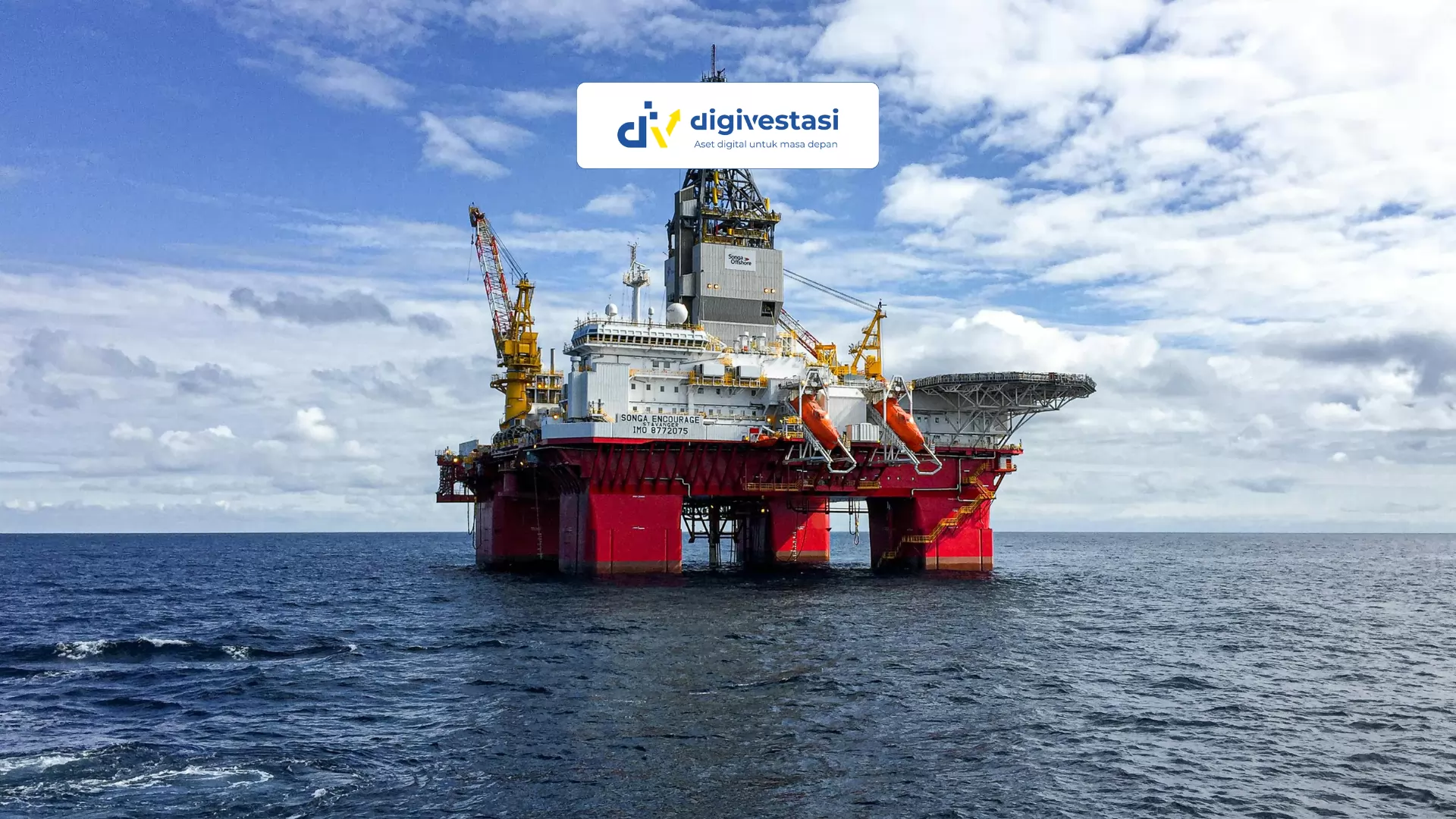
Global oil prices weakened in Friday morning trading (June 20, 2025), following a statement from U.S. President Donald Trump suggesting that any decision regarding potential military action against Iran would not be made for another two weeks. This reassured markets and eased concerns over the possibility of an imminent strike.
According to Refinitiv data as of 09:45 AM Jakarta time, Brent crude for August delivery dropped to US$76.90 per barrel, while West Texas Intermediate (WTI) posted a slight gain to US$75.61 per barrel. This movement reflects a correction from the previous day’s sharp rally, during which Brent surged nearly 3% and closed at US$78.85 per barrel.
This week has been marked by extreme volatility in the oil market, with price swings spanning nearly US$8. Bloomberg reported that market expectations for options had briefly reached levels comparable to those seen during Russia's invasion of Ukraine. However, a statement by White House spokesperson Karoline Leavitt that “there is still a substantial opportunity for negotiations with Iran” led markets to scale back their perceived risk of military escalation.
“Leavitt’s comments eased the market’s sense of urgency. For the time being, prices are likely to stay within the highly volatile US$70 to US$80 per barrel range,” said Robert Rennie, Head of Commodities Research at Westpac, in an interview with NDTV.
Despite the easing sentiment, tensions remain elevated. Israel continues to launch strikes on Iranian nuclear facilities, although these actions have not yet had a direct impact on Iran’s oil export infrastructure. However, signs that Iran is expediting its oil shipments — evidenced by high activity levels at Kharg Island’s export terminal — reflect an ongoing dynamic and unpredictable situation.
Markets are also closely watching the Strait of Hormuz, a crucial global energy transit route where around 20% of the world’s oil supply passes through a narrow maritime corridor. So far, there have been no indications that Iran has disrupted shipping in the area.
Source: cnbcindonesia.com
What do you think about this topic? Tell us what you think. Don't forget to follow Digivestasi's Instagram, TikTok, Youtube accounts to keep you updated with the latest information about economics, finance, digital technology and digital asset investment.
DISCLAIMER
All information contained on our website is summarized from reliable sources and published in good faith and for the purpose of providing general information only. Any action taken by readers on information from this site is their own responsibility.
SHARE
VIEW