






News Update
US Warship Hit by Missile! Why Trump Pulled Troops & What It Means
/index.php
Edukasi - Posted on 30 June 2025 Reading time 5 minutes
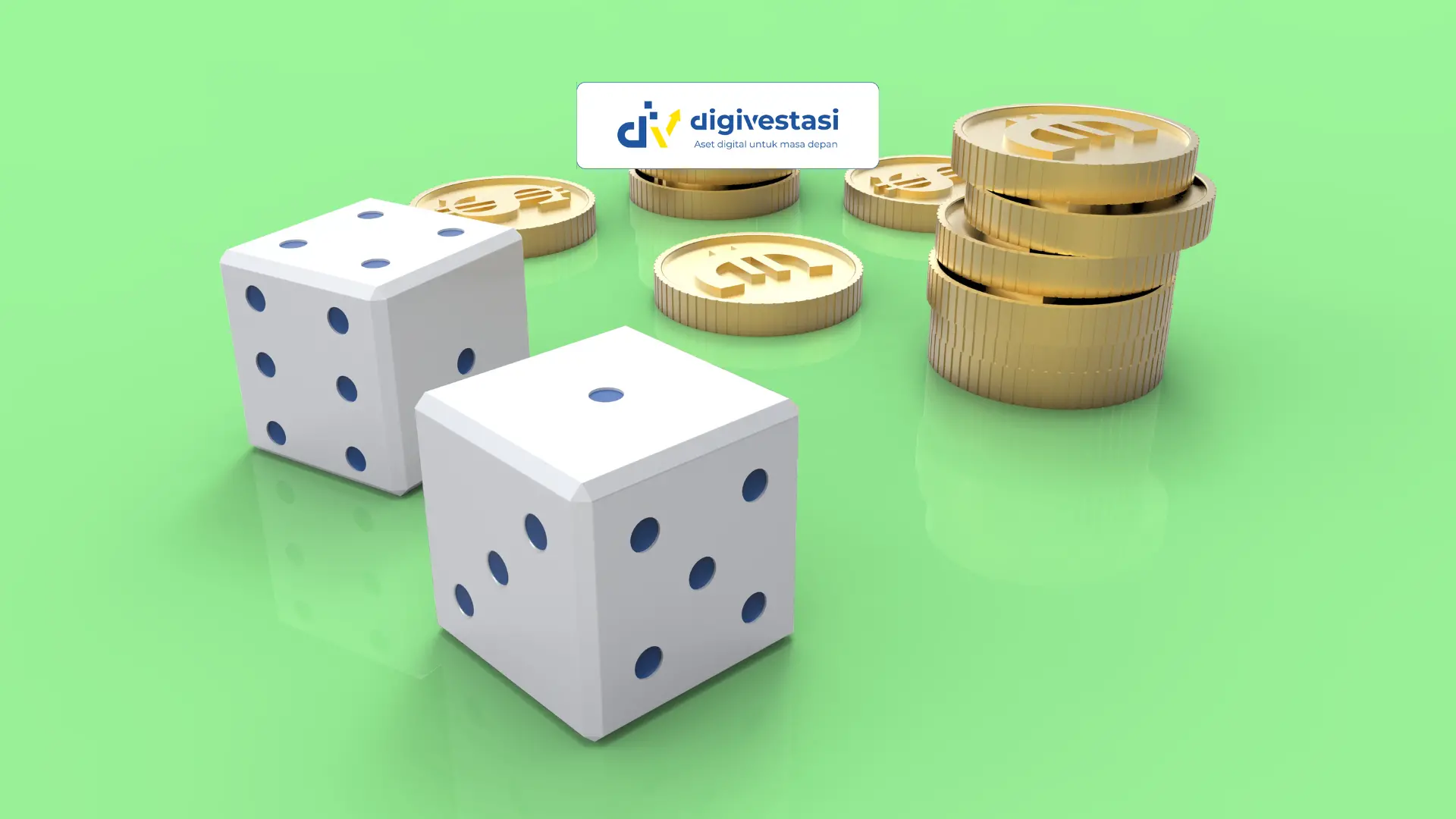
When Gaming Could Drain Your Wallet
More people are now drawn to learning about investing in fun and engaging ways, one of which is through games. Unfortunately, not all investment-themed games are genuinely educational. Some are cleverly disguised scams under the guise of learning tools.
Investment games are now widespread across various platforms—from stock simulations and financial board games to apps claiming to generate real profits. Social media is flooded with advertisements for games promising quick, massive returns. But do these games truly help you learn investing, or do they trap you in shady schemes?
This trend is too significant to ignore. As public interest in financial literacy grows, opportunistic parties exploit this enthusiasm to make a profit by targeting uninformed users. This article will help you distinguish truly educational games from deceptive ones, offering practical tips on choosing beneficial investment games.
What Are Investment Games: Simulations or Strategic Scams?
Before judging whether a game is educational or deceitful, it's important to understand what "investment games" really mean. The term is often misused to conceal illegal practices.
Legitimate investment games generally fall into two categories. First, educational simulations like stock or crypto games designed to teach investment strategies without real monetary risk. These games often offer technical analysis tools, real-time price charts, and realistic market conditions.
Second are the deceptive "money games" disguised as investment apps. These lure users with quick profits through referral systems or commissions and often operate as Ponzi schemes—offering rewards only when new users join under you.
Understanding this crucial difference is the first step before downloading or playing any game that claims to enhance your financial knowledge.
Types of Legal and Safe Investment Learning Games
Now that the differences are clear, it’s time to explore educational investment games that are truly designed to support learning, without financial risk.
Some popular categories include:
Stock and Crypto Simulations: Games like Stock Market Simulator have been downloaded millions of times, offering users a safe space to practice trading and learn about market psychology, technical/fundamental analysis, and more.
Financial Board Games: Physical games like Stocklab by Ryan Filbert provide an interactive and family-friendly way to promote financial literacy from a young age.
Local Educational Games: Indonesian developers and startups have created engaging simulations that mix real investment decisions with gamified learning.
These games encourage long-term thinking, risk awareness, and data-driven decision-making.
Beware of Money Games Disguised as Education
Beneath a learning-focused surface, many games trap users with promises of instant wealth. Ponzi-like structures are often hidden behind flashy interfaces and seductive incentives.
Signs of fraudulent investment games include:
Promises of unrealistically high returns
Dependency on inviting new users to earn commissions
Lack of real, transparent gameplay
Excessive promotion via WhatsApp, Telegram, or TikTok
Requiring upfront deposits
No official licensing from regulators
Cases like First Travel, MeMiles, D4F, Sunmod Alkes, and Binomo in Indonesia, though not all games, share similar exploitative patterns.
Always check the developer's credentials, read user reviews carefully, and confirm the platform's legitimacy.
Investment Learning Game Trends in 2025
Developers are increasingly recognizing the educational potential of financial games, though challenges remain.
Rapid Growth of Educational Games: Many now offer AI tools, real-time analysis, and interactive quizzes for a more immersive experience.
Rising Financial Awareness: Younger Indonesians are more aware of the need for financial literacy, fueling demand for authentic educational platforms.
Tighter Regulations: Authorities like OJK and Kominfo are ramping up enforcement against illegal investment platforms.
Declining Interest in NFTs and P2E: While Axie Infinity has launched a new version, many Play-to-Earn games are seen as gimmicky and too speculative for beginners.
Prioritize games that teach core concepts over those offering quick profits.
How to Choose Safe and Effective Investment Games
Here are some practical tips to help you choose the right educational game:
Opt for games offering full learning experiences—quizzes, terminology explanations, risk strategies, and long-term planning.
Avoid games that demand deposits or "initial investments."
Review ratings and user feedback carefully.
Choose games that emphasize learning, not just rewards.
Verify the developer's credibility and transparency.
A quality educational game will foster critical thinking, promote risk understanding, and support decision-making based on solid analysis.
Conclusion
Games can be powerful tools to learn about investing, especially for hands-on learners. But not all games have positive intentions.
Some aim to build real financial skills, while others exploit user ignorance with misleading promises.
The choice is yours: be a smart player or fall victim to deception. Prioritize education over shortcuts, and use games as a joyful learning tool—not a reckless gamble toward instant riches.
What do you think about this topic? Tell us what you think. Don't forget to follow Digivestasi's Instagram, TikTok, Youtube accounts to keep you updated with the latest information about economics, finance, digital technology and digital asset investment.
DISCLAIMER
All information contained on our website is summarized from reliable sources and published in good faith and for the purpose of providing general information only. Any action taken by readers on information from this site is their own responsibility.
SHARE
VIEW